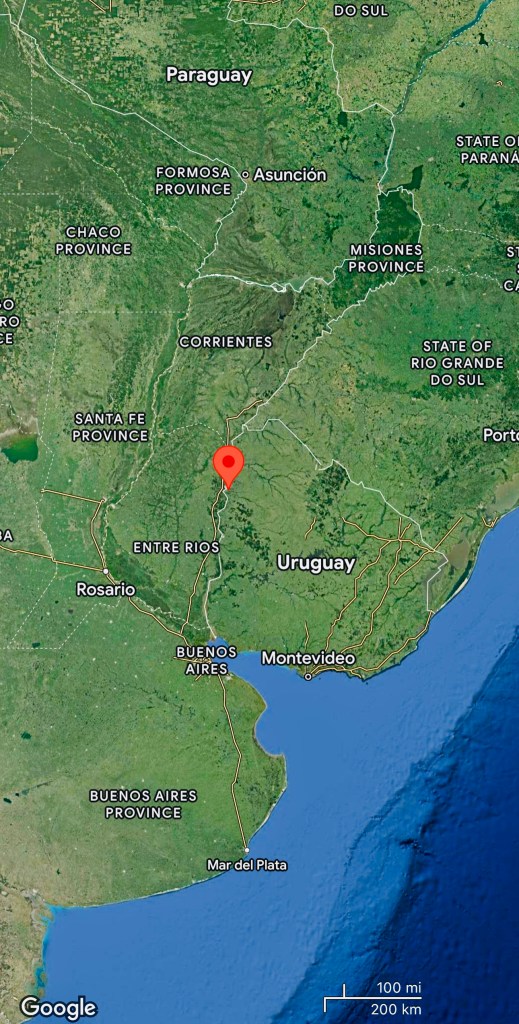
After a six-hour-long bus drive, we arrived in Salto. There were two taxis waiting for us to take us to our hotel, Los Cedros, located in the heart of the city center. We arrived at the hotel at 6 am and were told to be ready by 8:30 am for our meeting. Despite sleeping for most of the journey, I still needed to rest my body a bit. So, I went directly to bed and slept for an hour and a half. Afterward, I had breakfast at the hotel and got ready for the day.
About Salto
Salto is the second-largest city in Uruguay, with a population of around 105,000 and it is located in the northwest part of the country on the Uruguay River. It is 300 miles north of Montevideo and just across the river from Concordia, Argentina. It’s known for hot springs, citrus farms, great cattle and sheep postures and wineries.
School Number 15 Pedro Ambrosoni, A rural School
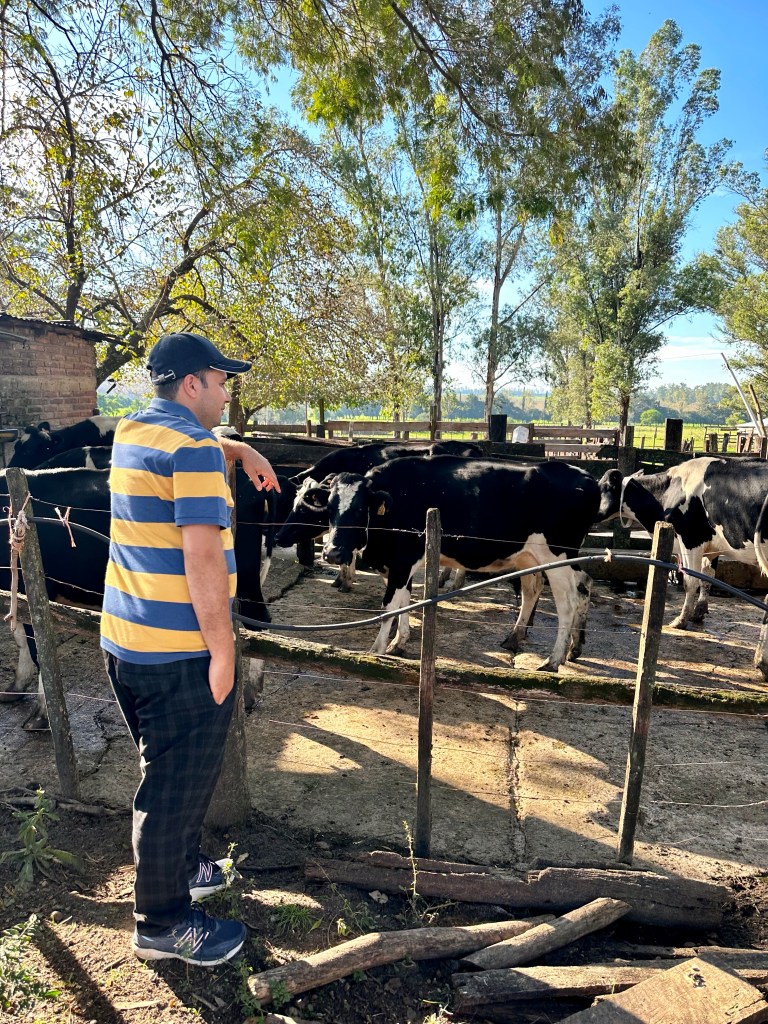
Our activity for the day was visiting a rural school in San Antonio, School Number 15 Pedro Ambrosoni, which took approximately 30-45 minutes to reach. On the way, our driver showed us numerous soccer fields. It was incredible to see how much they loved soccer, with a soccer field almost every couple of blocks. We also passed by mandarin, orange, and lemon trees, which was a priceless sight. As Uruguay is known for having some of the best quality meat in the world, we also saw many herds of cows and sheep along the countryside.
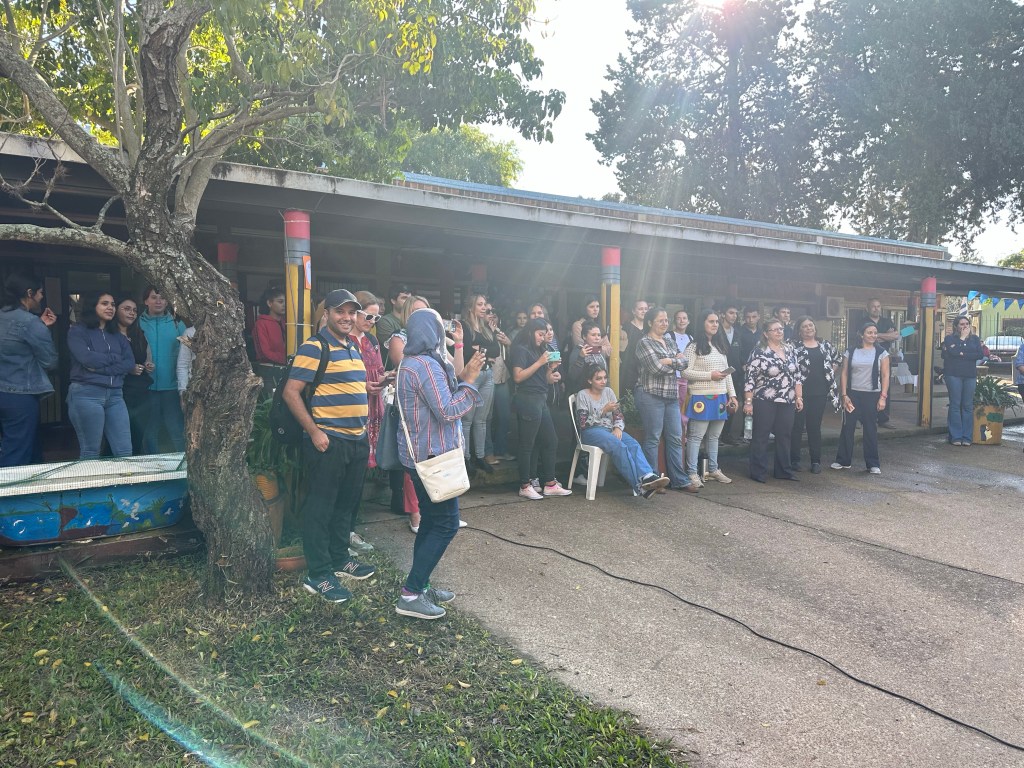
When we arrived at the school, teachers, students, and administrators were waiting for us at the door, greeting us cheerfully. It’s worth mentioning that each school in Uruguay has an inspector responsible for overseeing around 8-15 schools. Their role is to observe and evaluate educational processes in individual schools and provide advice at the central level. Since then, whenever we visit a school, the respective inspector joins us in our school experience.

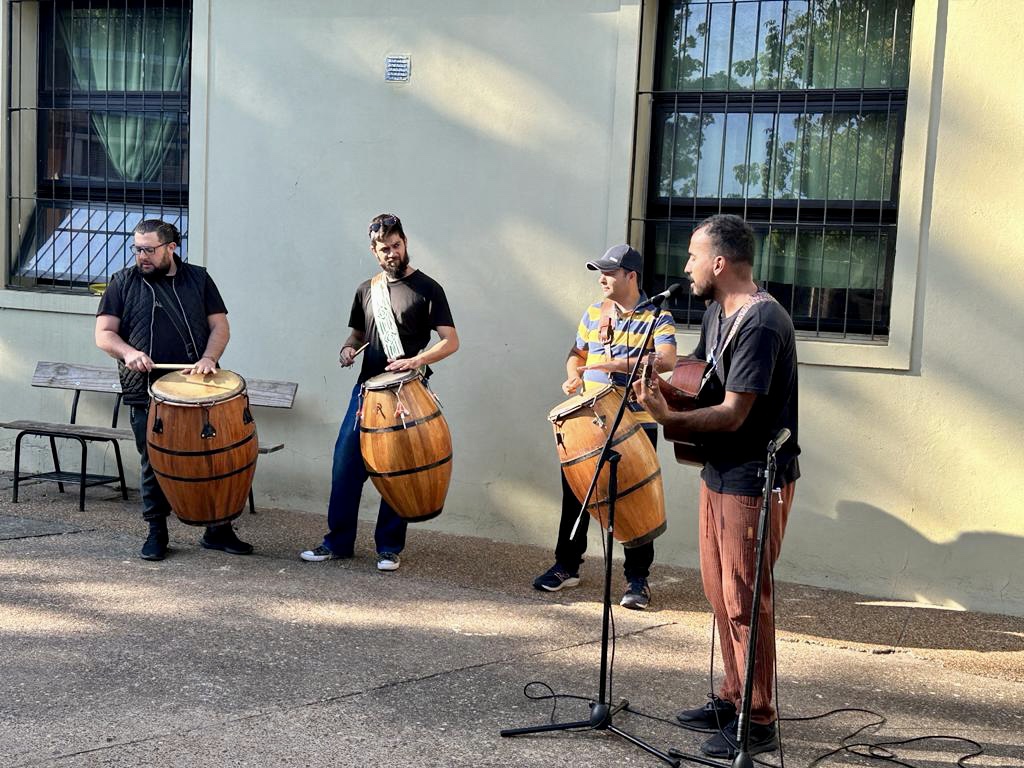
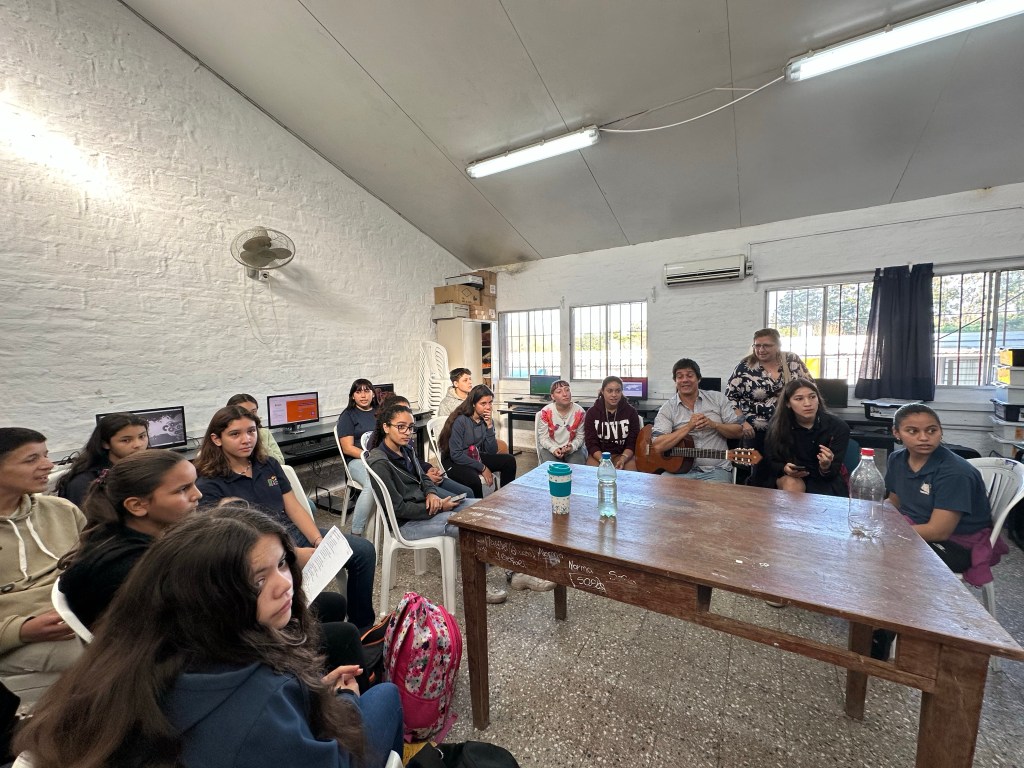
The inspector for the rural school in San Antonio was Isabel Delgue, who became one of the core figures that I will never forget, for many reasons I will mention later. The school principal and teachers took us around the classrooms, where students excitedly showed us their projects. We witnessed STEM projects, including robotics, in both primary and secondary school, and we also visited a music classroom where students performed songs for us. One of the highlights of the school tour was when several teachers performed songs with guitars and drums in the school courtyard. I had the opportunity to join them by playing one of the drums, and it was an incredible experience. I truly enjoyed their traditional songs.


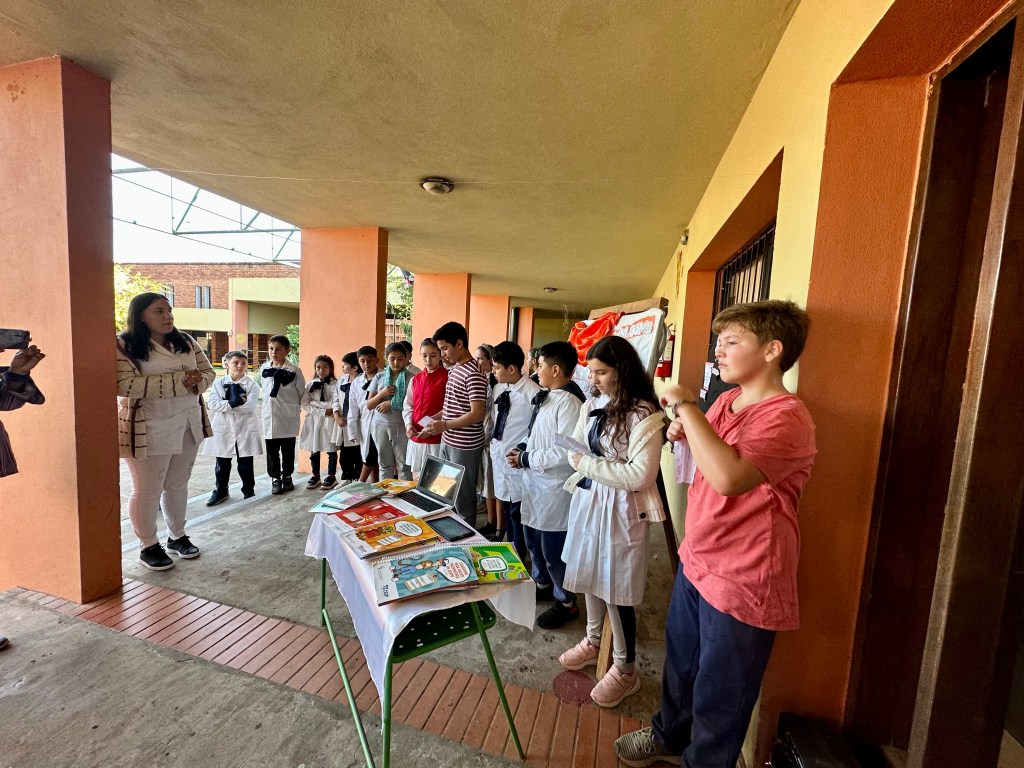


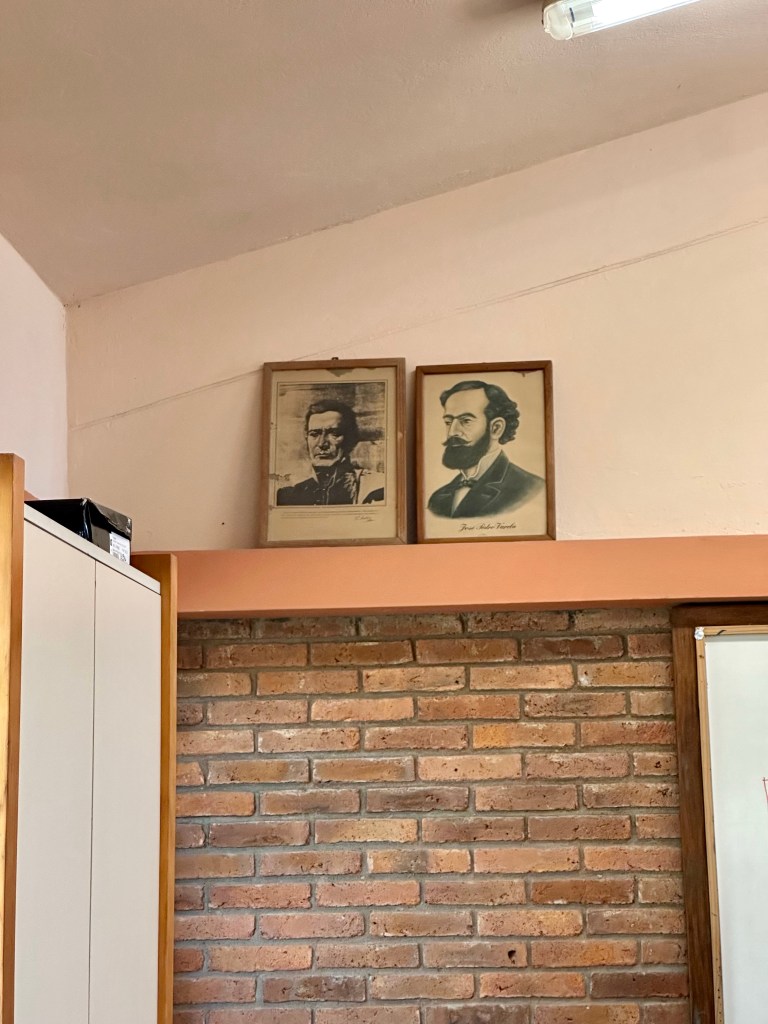
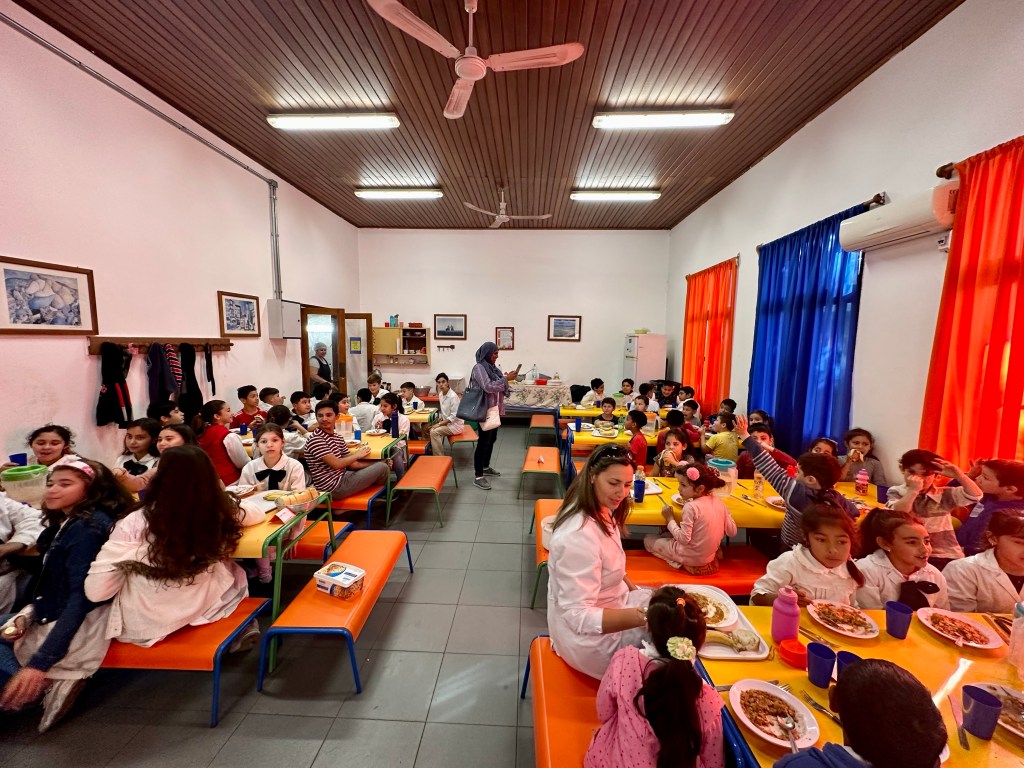
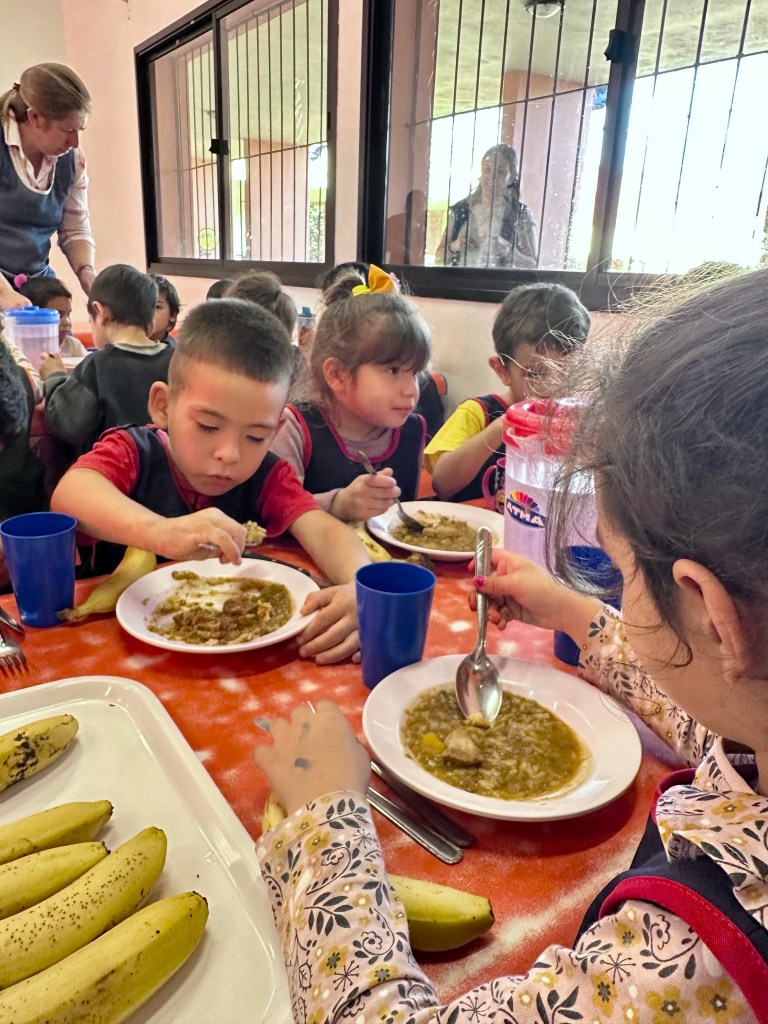
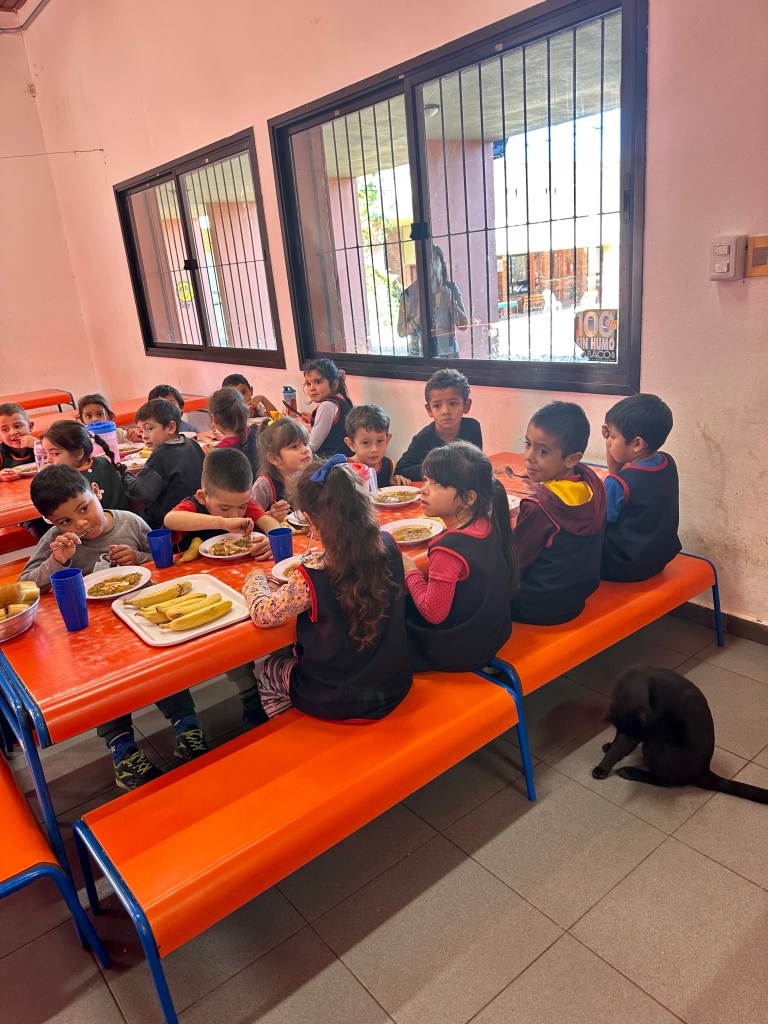
After the school tour, we visited the school cafeteria, where students and teachers ate hot meals together. It was a time for everyone in the school community to socialize and relax, without the concept of “lunch duty” as we had back in the States. Everywhere we went, we noticed this practice of communal meals. The chef walked around with a big pot, refilling it for those students who wanted extra servings. Additionally, we explored the school garden, where they composted and cultivated plants in their semi-built greenhouse. A person responsible for the school garden managed agricultural learning experiences for the students.

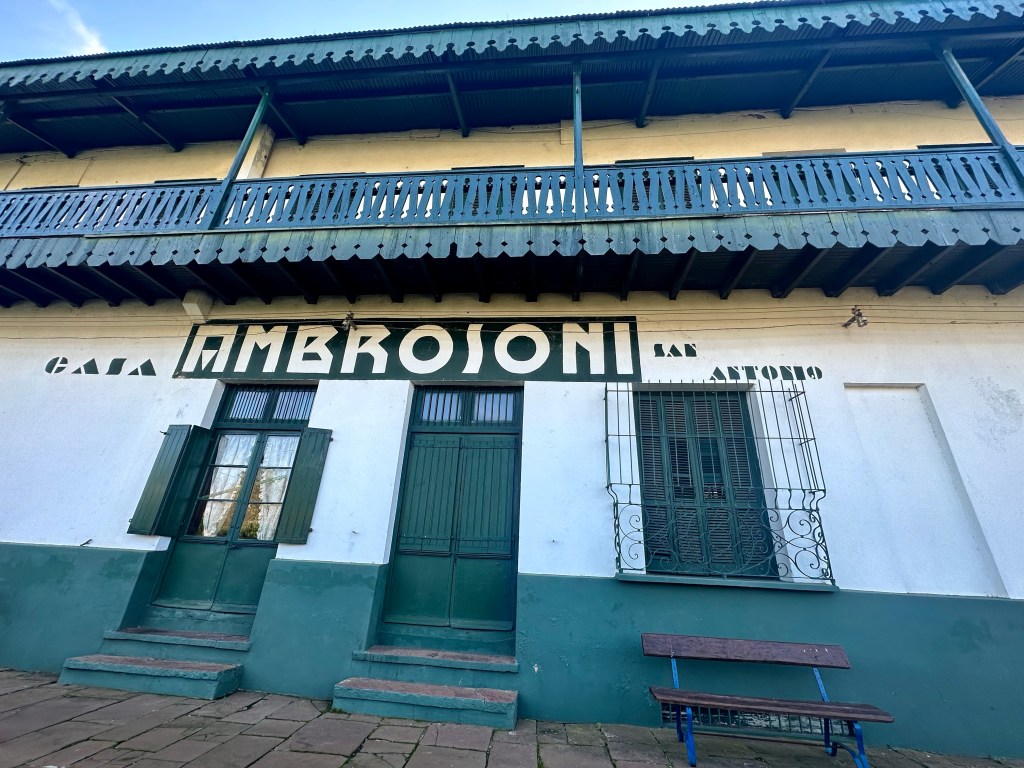
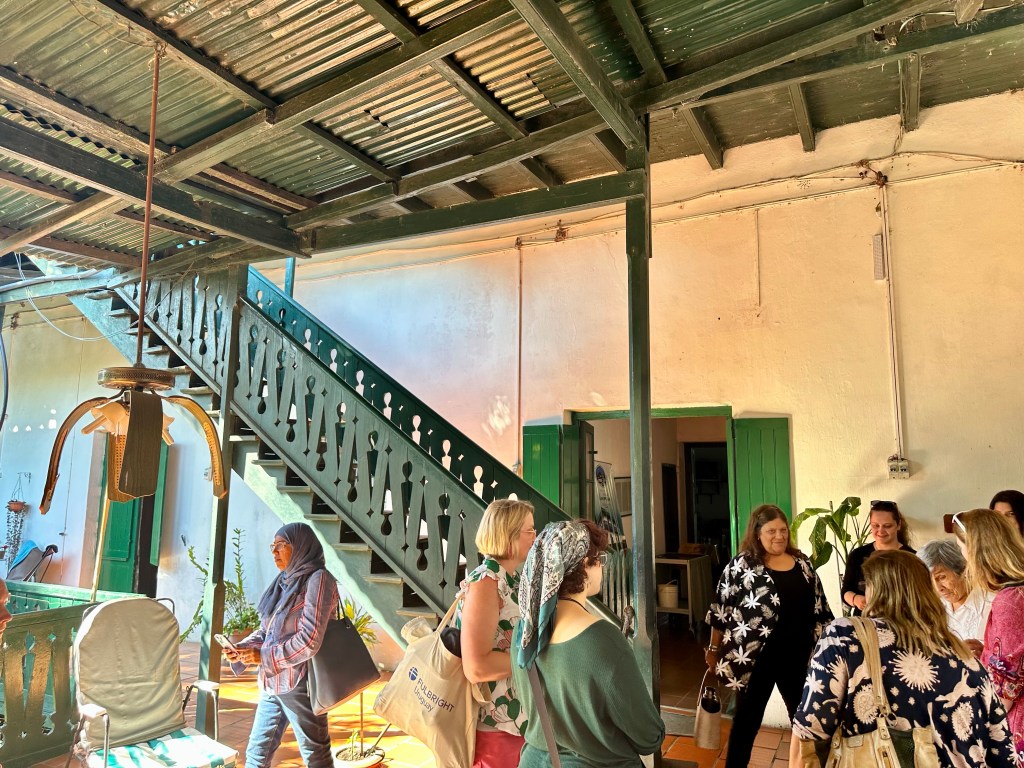
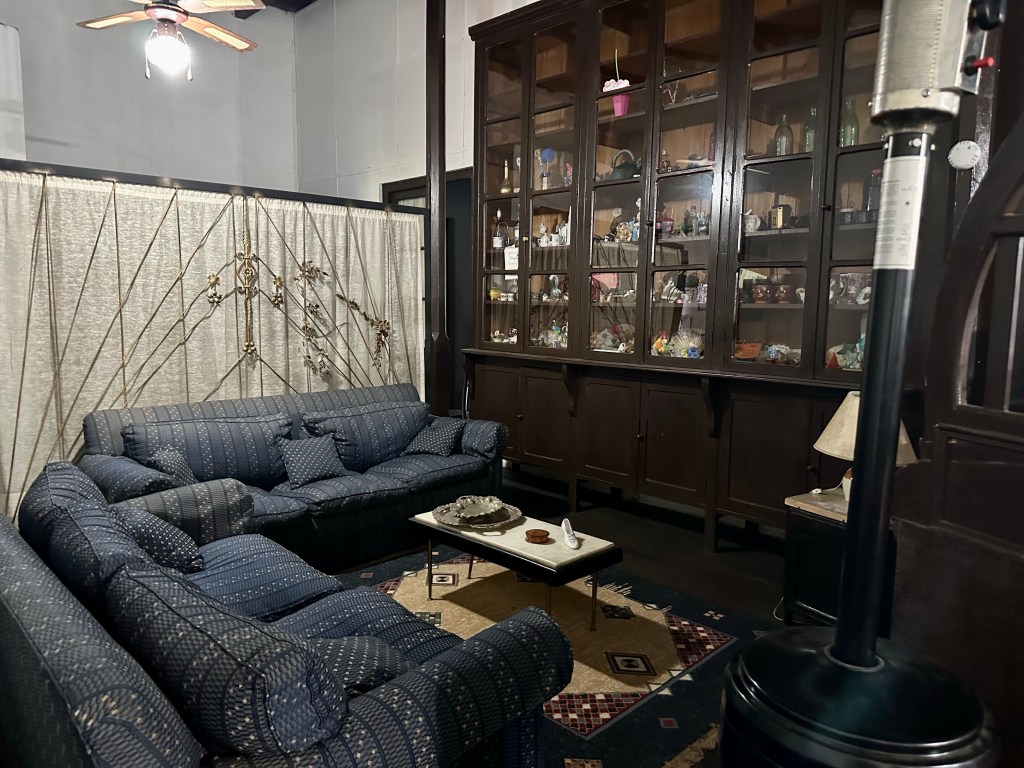
Following the school visit, we headed to a historic place near Salto called Casa Ambrosoni, which was founded in 1878 and belonged to Isabel’s great-grandfather. As mentioned earlier, Isabel was our inspector for the school in San Antonio. The moment I saw the structure, I knew it was going to be an amazing place, and indeed it was. Isabel’s mother-in-law, who currently lives in the house, welcomed us at the door. Together with Isabel and the school principal, she gave us a tour of the house, showcasing its history. We learned that their ancestors came from Italy and established the area as it is today. Nowadays, the house serves various purposes, including being a hotel, recreational center, and education center for the area. Many students from the region come here to camp, learn, and celebrate special occasions.





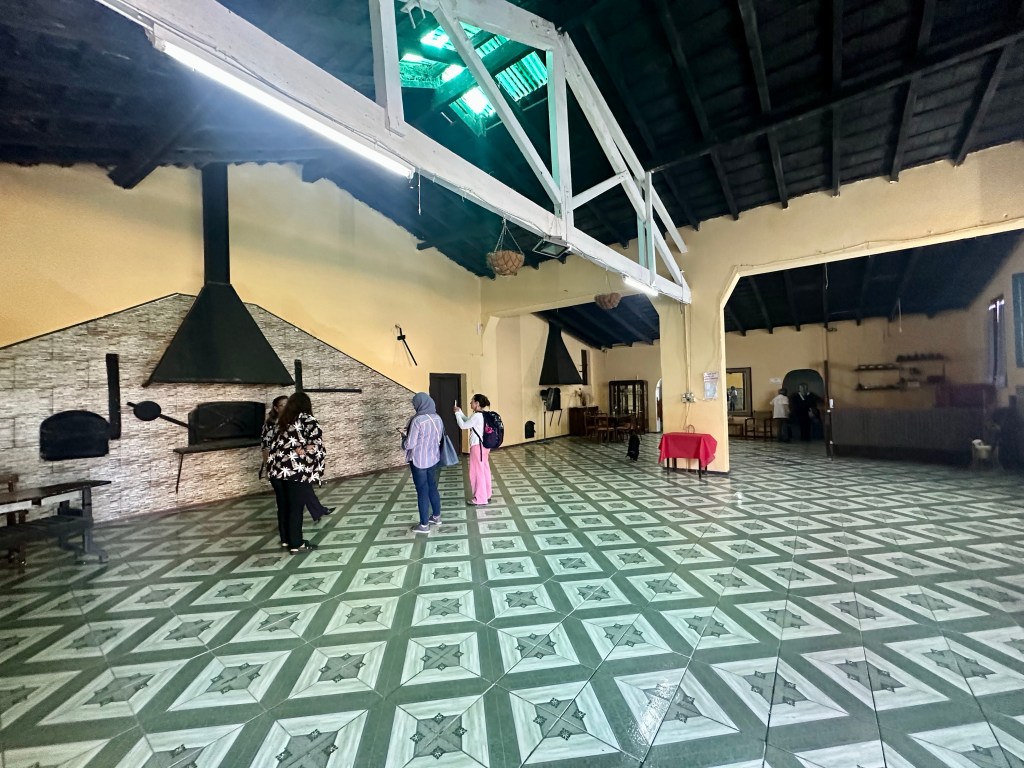
One of my favorite parts of the house was the bakery area on the first floor. It featured two large stone ovens in a spacious room, which used to be a gathering place for people to enjoy freshly baked goods, dance, and socialize in the past. Having a stone/clay oven like that is one of my dreams in my backyard, and I hope to make it come true one day.

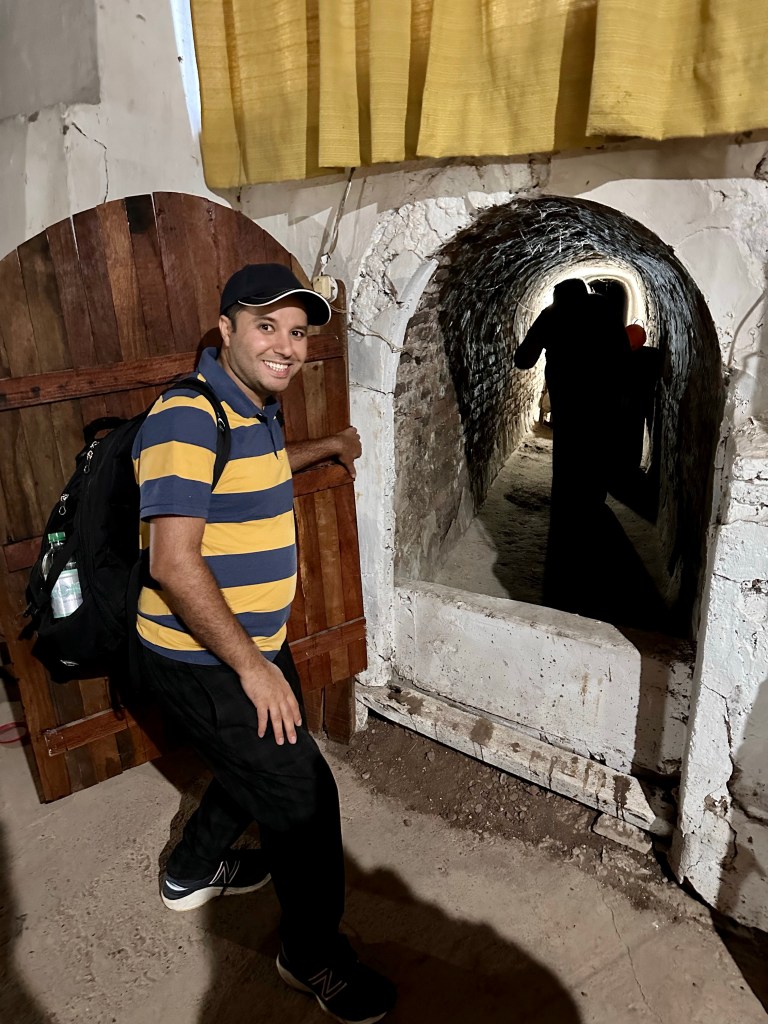
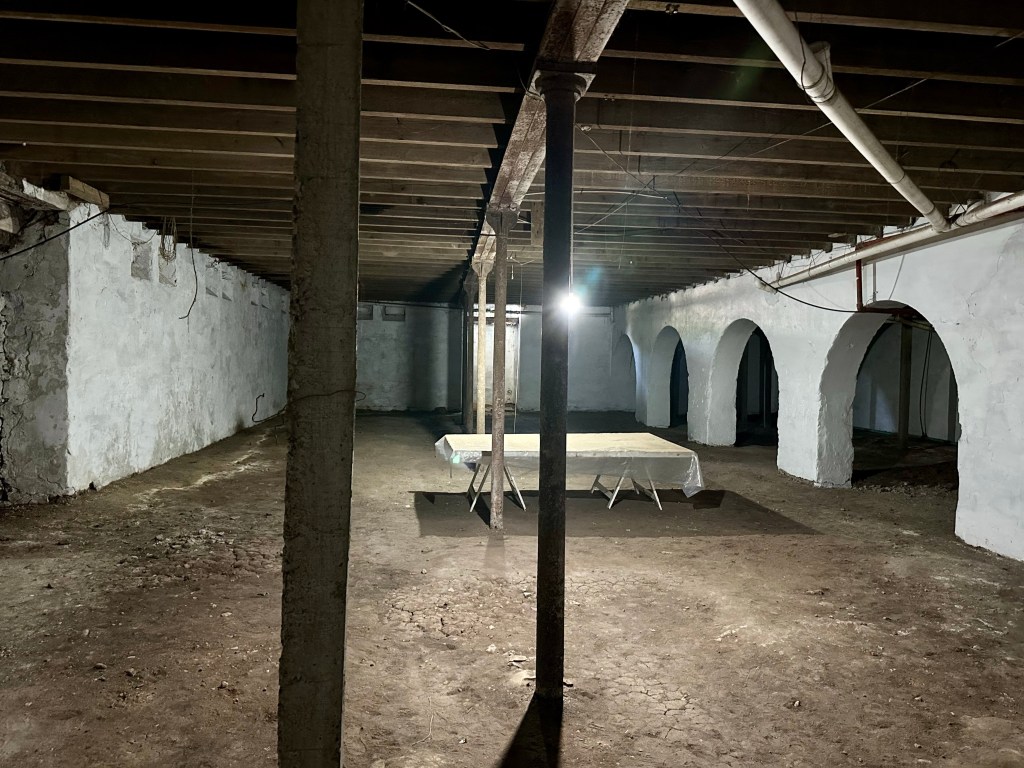
We also visited the basement of the house, where Isabel showed us a tunnel that connected different parts of the area. During the civil war in Uruguay back in the 1900s, Isabel’s family provided refuge for one political side, and the tunnel was used for discrete movement. Although the tunnel was elegantly made, it was recently closed by Isabel’s husband due to safety concerns, as anyone could enter the house through it. The basement, where the tunnel entrance was located, also served as a winery and milk storage area.
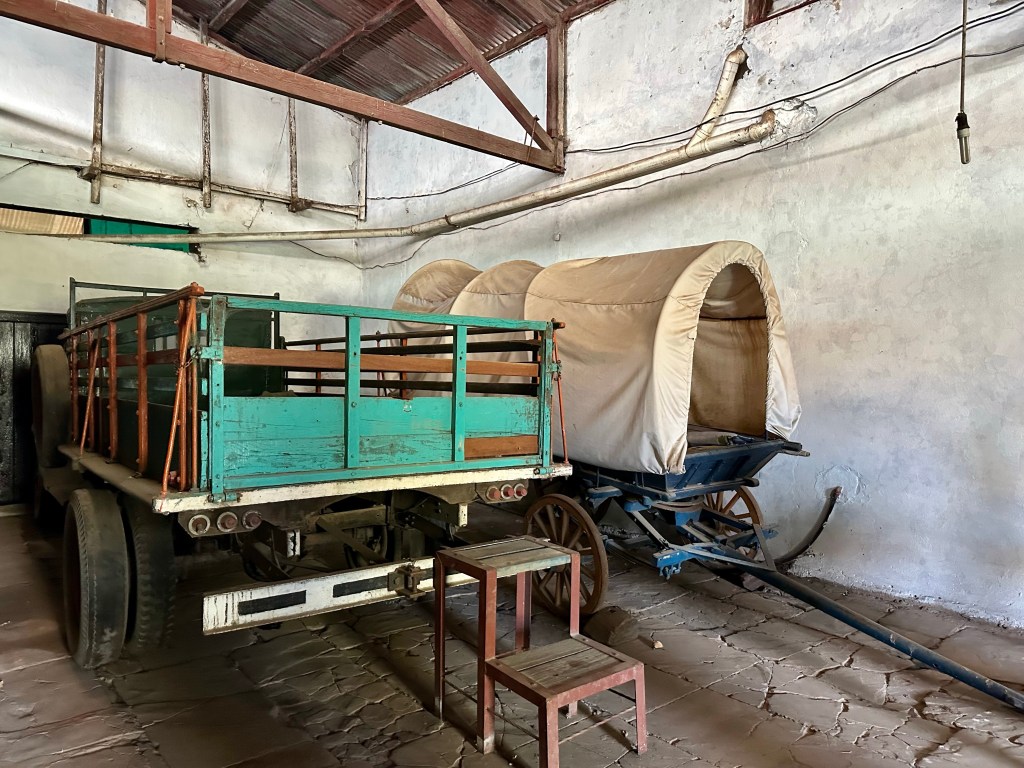
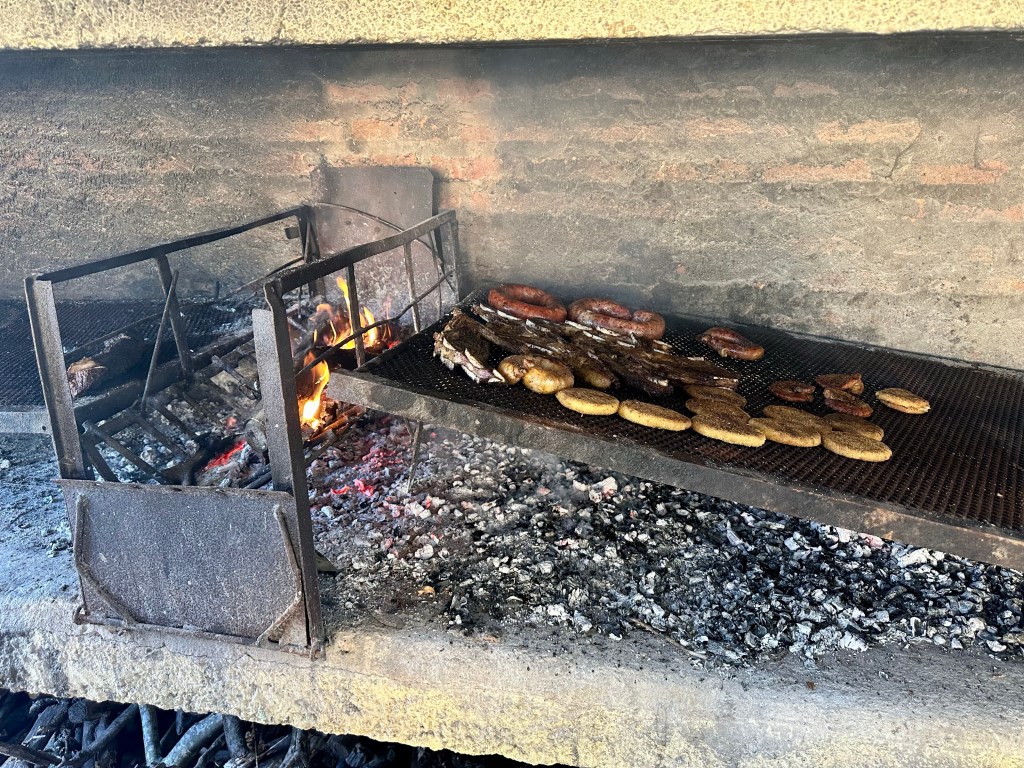
Isabel then took us to the house’s spacious yard, reminiscent of functional backyards in Mediterranean countries. We strolled through the beautiful garden with flowers and trees and rested in an eating area that also had a BBQ place. This was where we had our lunch, enjoying the famous Uruguayan BBQ known as Asado. Unfortunately, luck wasn’t on my side, as I didn’t get to taste the delicious meat once again. However, they kindly prepared a BBQ fish burger for me instead. While looking at my friends’ plates with a bit of disappointment, I have been thinking how I could recreate this famous BBQ at home. The person preparing the Asado told me that there are usually premade spice mixes sold in the markets, which I would be definitely getting one.


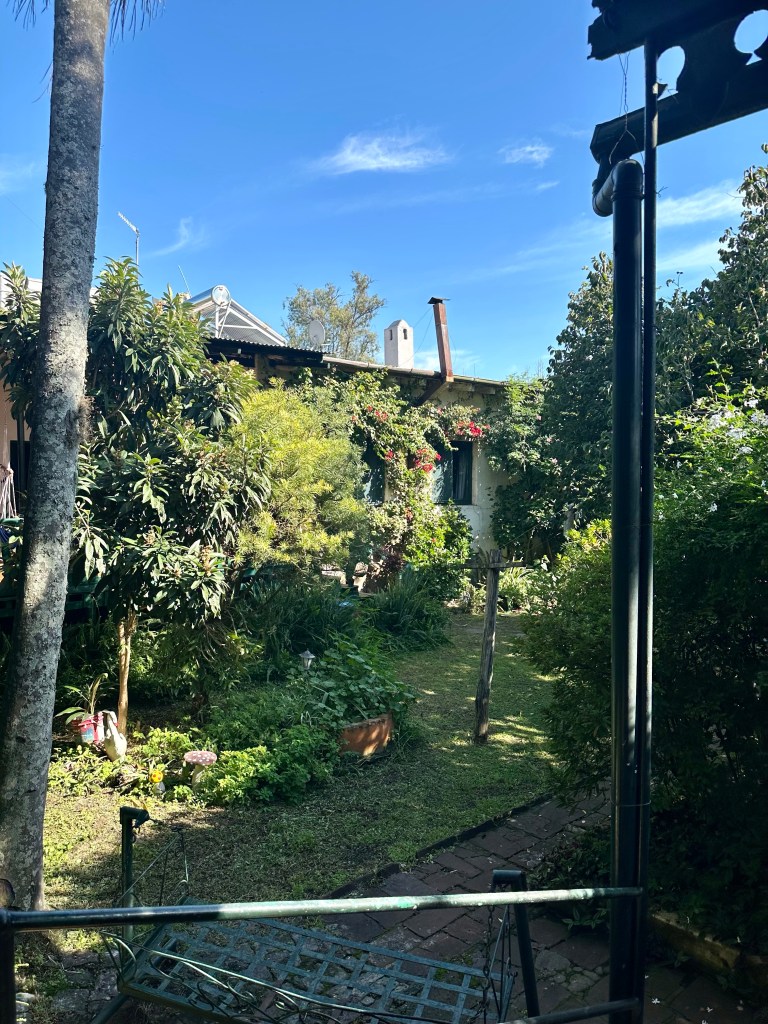


After the delightful lunch and homemade cake, Isabel’s mother-in-law invited us to her patio and served us tea, coffee, and crackers. While we were enjoying chatting and drinking our hot beverages, I was also listening to a soccer match playin on the radio in the background. Isabel’s mother-in-law was constantly attentive, asking if we wanted anything else. She was such a sweet and wonderful person, and I found myself hoping to have a life like hers when I reach her age. Her presence exuded a great aura.

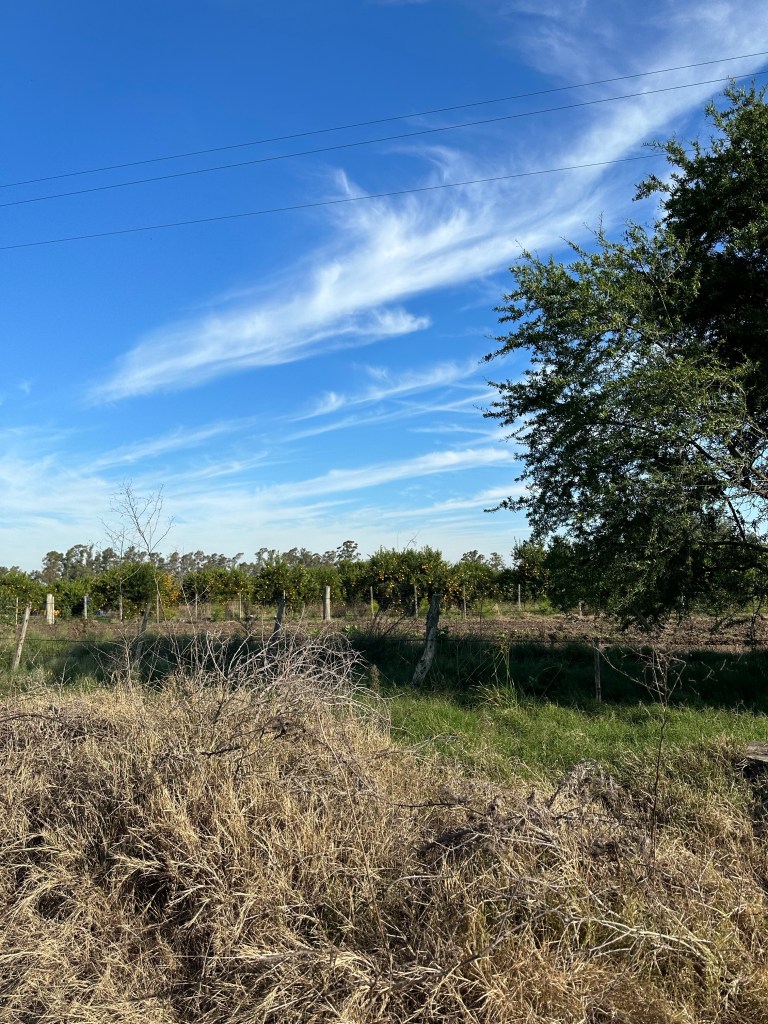
Next, Isabel took us to her family farms, where they had cattle, sheep, and citrus gardens. I had seen lemon trees before, but never as extensive as a whole field. Additionally, I had never encountered mandarin and orange trees like the ones I saw there. I even picked and ate five mandarins right on the spot. They were incredibly sweet and delicious. I couldn’t help but wonder why we don’t find this type of mandarins in stores back in Ohio.



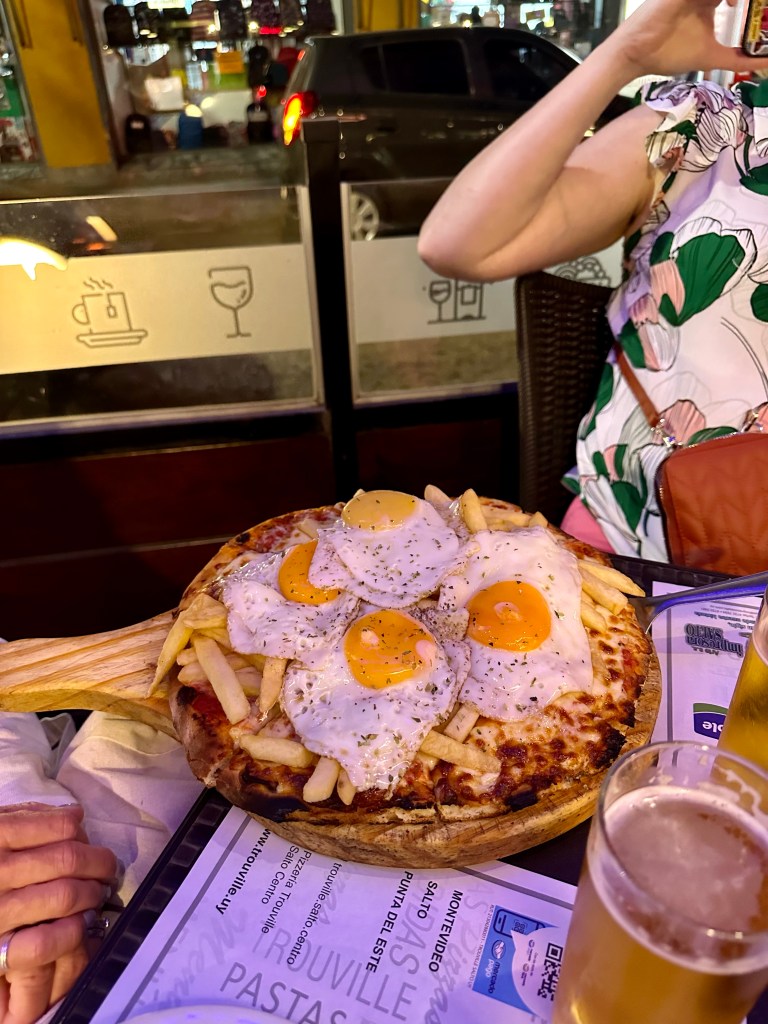
After having a wonderful time in the San Antonio region, we returned to Salto. Before dinner, we took some time to explore streets near our hotel in Salto. We were exhausted and eagerly awaited dinner. Eventually, we decided to dine at Trouville, one of the famous restaurants just one block away from our hotel. Although the menu had many options, there were several names I was unfamiliar with. After some discussions with my fellow Fulbrighters, I chose for fish, which arrived as breaded and deep-fried. Unfortunately, it was so disappointing that I couldn’t eat much. It was not what I was expected to have. However, one of our friends, Kerry, who was also our Spanish translator in our group, generously offered me a few slices of her American pizza, which was topped with french fries and fried eggs on a cheese pizza. Although it initially sounded like an interesting combination, it turned out to be really delicious.
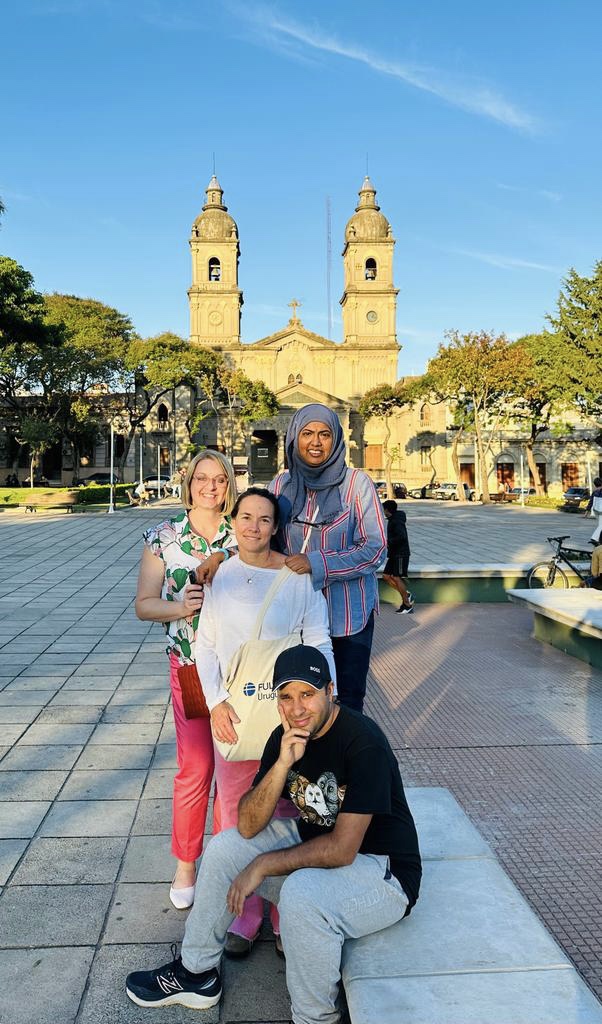


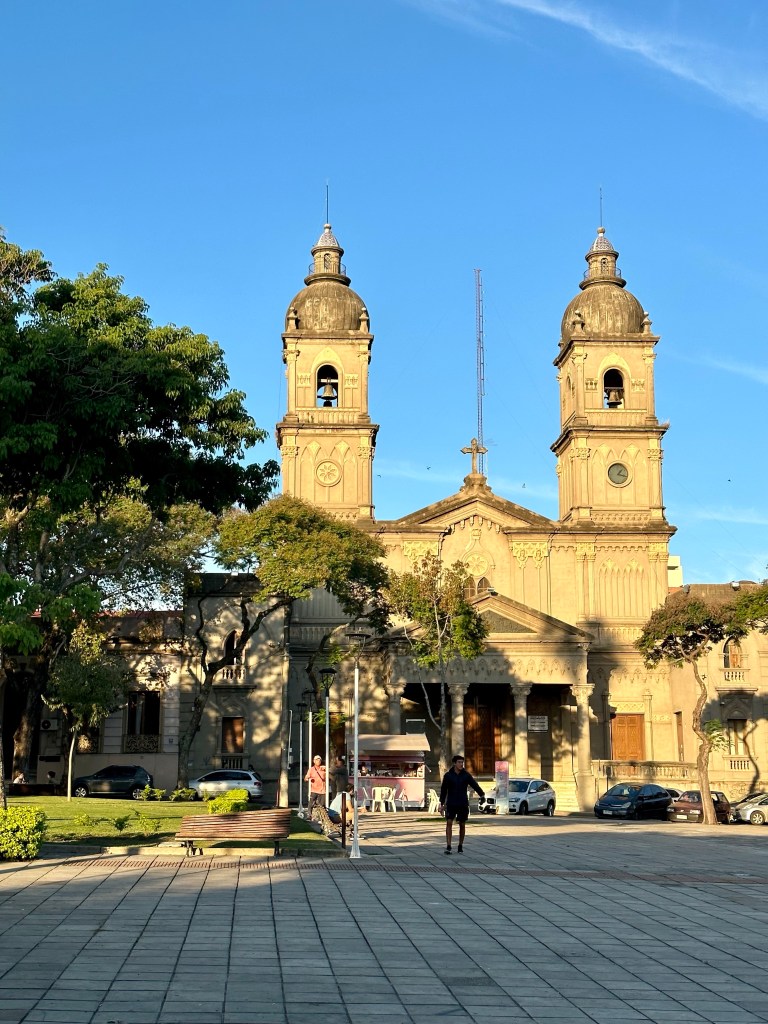

Our first day in Salto concluded with good memories and laughter, knowing that this was just the beginning of our adventure. I can’t wait to see what comes next.

 Expeditionary Learning
Oktay… thank you very much for the post… I read it in English and I understood it perfectly, as I read, I remembered every moment of that day… it was wonderful. Happy to have been part of your life… congratulations… good life. welcome baby
LikeLike