Part 2: Global-Local (Glocal)
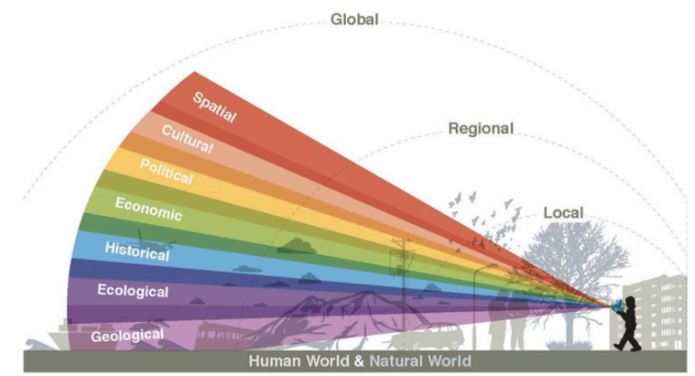
Teaching Across Perspectives by National Geographic
Global Thinking: An ID-Global Bundle to Foster Global Thinking Dispositions through Global Thinking Routines by Veronica Boix Mansilla
The author emphasizes several questions in this article and how educators can prepare children and youth to understand our world through Global Thinking Routines.
Questions:
- How can we prepare students for our complex and interdependent world?
- What kinds of capacities characterize globally-minded individuals—e.g. curiosity about the world beyond their immediate environments, empathy and cultural perspective taking?
- How can we best nurture such capacities by rethinking what and how we teach?
Global Thinking Routines:
- The Three Whys (3Ys)
- Step In- Step Out- Step Back
- How Else and Why
- Circles of Action
12 Kids Who Are Changing Their Communities and Our World by Washington Post Staff and Contributers
This article from the Washington Post highlight 20 kids and teens from around the world who have noticed problems in their communities or countries and are working to solve them. It is very inspirational and I loved it. I hope you do have the same.
Let Students Lead: Why Are Local Investigations Important To Student Learning? by Julie Keane, PhD
This article discusses the importance of local investigations in education as a means to engage students and make learning more relevant to their lives. As a firm believer of project-based learning in classrooms, I believe making learning relevant is a powerful tool!
Diving into Place-Based Education: Local ↔ Global Learning by Teton Science Schools
This article describes the concept of local-global learning and why it is important. The author also sheds light into some of the best practices and projects that teachers can use in their classrooms.
Every Place is a Place
In this video, you will learn about the power of place-based education for building curiosity and community.
50 Organizations Committed to Locally Led Adaptation. Now What? by Stefanie Tye and Tamara Coger, World Resources Institute
The article discusses the importance of locally led adaptation to address the impacts of climate change. It highlights that local communities, including community-based organizations, citizen groups, and local businesses, are often the most vulnerable to climate change and are best positioned to identify solutions.
I believe this article will inspire you to know how collaborating with local organizations to solve the world’s complex problems.

Big Picture Thinking: How to educate the whole person for an interconnected world by Veronica Boix Mansilla and Andreas Schleicher
This comprehensive booklet is a must to have in your toolbox.
 Expeditionary Learning