Fulbright Teacher for Global Classroom

A Fulbright Scholar’s Journey in Uruguay: Day Two Unveiled

Buenos días,

It was a beautiful day in Montevideo, neither cold nor hot. The temperature was really comfortable. I woke up at 7 am thinking that I could do some walking along the shoreline, but it was still dark outside. I checked my phone and saw that the sunrise was at 7:45 am. I left the hotel at 7:30 am and walked around  only for 30 minutes to make sure I had enough time for breakfast and be ready by 8:40 for our first session on the second day. 

The sunrise was particularly beautiful here in Montevideo! It rises over the Atlantic Ocean. I saw many people were walking and jogging along the coast. With the small breeze coming from the ocean, I felt like I had extra oxygen in the air. I quickly went back to my hotel, took a shower, and went down to the lobby for breakfast.

Day 2 Sessions

Our first session was another welcome remark by representatives of the State Department, IREX, the US Embassy in Uruguay, and the Bureau of Educational and Cultural Affairs.

I learned that Fulbright is one of the oldest programs that the State Department has had for decades. Many famous individuals, including Nobel winners and government officials, have received this prestigious award. I felt very humbled and honored to be a Fulbright Scholar and to have started my journey here in Uruguay. I know this is just the beginning, and it makes me more anxious about what is to come in the future.

We also learned that over 160 countries in the world have a Fulbright program in one way or another, but not all countries have a Fulbright commission. There are only 49 countries that have a Fulbright commission in the world. Uruguay is one of those countries that has a Fulbright commission as well. According to the Bureau of Educational and Cultural Affairs, the purpose of the Fulbright commission is to plan and implement educational exchanges, recruit and nominate candidates for fellowships, designate qualified local educational institutions to host Fulbrighters, fundraise, engage alumni, support incoming US Fulbrighters, and, in many countries, operate an information service for the public on studying in the United States. Where Fulbright commissions do not exist, the program is administered by US embassies in cooperation with host country governments.

Here in Uruguay, Fulbright establishments have existed for decades. Although Uruguay has hosted many Fulbright scholars since its inception, they have not hosted educators from the Fulbright Teacher for Global Classroom Program. So, we were the FIRST and a special group of people in Uruguay for the Uruguay Fulbright Commission.

After the welcome remark, we had three back-to-back sessions. The first session was about the Uruguayan Education System. Our keynote speakers for this session were Mr. Gonzalo Baroni, Director of Education from the Ministry of Education; Dr. Rodolfo Silveira from Technological University of Uruguay; Dr. Virginia Caceres, General Secretary from the Council of National Policy (CODICEN).

Uruguayan Education System

Education in Uruguay is compulsory and free for all children aged 6-14. Students in grades 1-6 (ages 6-11) receive primary education. After that, students enter secondary education, which is divided into two cycles of 3 years each. The first three years, called middle education (ages 12-14) or the basic cycle, are compulsory, and there are two paths: general education or technological education. When students complete the first cycle of mandatory secondary education, they have the option to move into the second cycle of secondary education (ages 15-17). This is not mandatory. There are two paths at this level: students either go to vocational schools to receive technical education or attend regular high school, which prepares them for higher education.

After secondary education, students enter tertiary education. Higher education is free for all students. Higher education in Uruguay is divided into two categories: University higher education and Non-university higher education. University higher education provides bachelor’s, master’s, and PhD programs, while non-university higher education consists of teacher training centers and institutes, among other programs. Yes, you heard it right! Uruguayan teachers are trained through non-university pathways. However, we were told that this is currently changing, and they are pushing for teachers to have more bachelor’s, master’s, and PhD degrees.

Academic Year

In Uruguay, the first semester starts in March and ends in July. The second semester starts in August and ends in December. December, January, and February are their summer break. Since Uruguay is located in the southern hemisphere, the seasons are opposite from the northern hemisphere. So the academic year also is opposite what we have here in the northern hemisphere. 

There is one quote I wrote in my notebook from one of the speakers that I love and would like to share with you. It says, “I don’t teach, I facilitate others to learn.” A very powerful sentence! I couldn’t agree more.

Foreign Language Education in Uruguay

Our second session was about foreign language education in Uruguay. The speakers were Dr. Aldo Rodrigues, Director of Linguistic Policy at the National Administration of Public Education (ANEP); Ms. Claudia Passinoti, Director in the Department of Second Languages in Elementary Education; Dr. Claudia Brovetto, Program Coordinator in the Remote English Language Program (Ceibal en inglés); and Dr. Rossana Mantaras, Language Program Director at the Technological University of Uruguay.

The speakers started by giving a little bit of the history of Uruguay, saying that the country was formed by immigrants mainly from Italy, followed by Spain and then Portugal. These were the first colonizers of this part of South America. According to research that I found from internet, there were several indigenous people known to inhabit the region, but their numbers were unknown. Throughout colonization, they were persecuted, and finally their population almost non-exited in 1831, which the government that time ordered the killing of all indigenous men. A very few men escaped from the region, and women were sold as slaves. Since then, Uruguay has been called a “native-free” country in South America where no indigenous community exists. Even though no indigenous community exists, research shows that some Uruguayans have indigenous genes. All of this information was not shared during our presentation; again it was just a humble research effort by me.

In addition to English, Uruguayan education offers heritage languages such as Italian and Portuguese. Additionally, there is a large number of Armenian migrants who came to Uruguay after World War I, and Armenian is also spoken here. There are an estimated 30 thousand people of Armenian descent living in this small country. We were also told that there has been recent immigration from Russia and Germany.

Private-Public Initiatives in Education

Our third session was about private-public initiatives for diverse populations. Our speakers were Mr. Pablo Ferrari from Jubilar School, Ms. Elvira Sisnandez from School Provencia, and Mr. Santiago Garcia Costa from Los Pinos School. It was great to hear how public and private initiatives work together to reach marginalized Uruguayan student populations. I was proud of these educators for their work and passion for what they do.

This concluded our sessions for the day, and we headed to the restaurant in our hotel for lunch. We were told that we had to be ready by 2 pm for a city tour. With our stomachs full, we boarded the van for the city tour and began exploring the city with a tour guide.

Montevideo City Tour

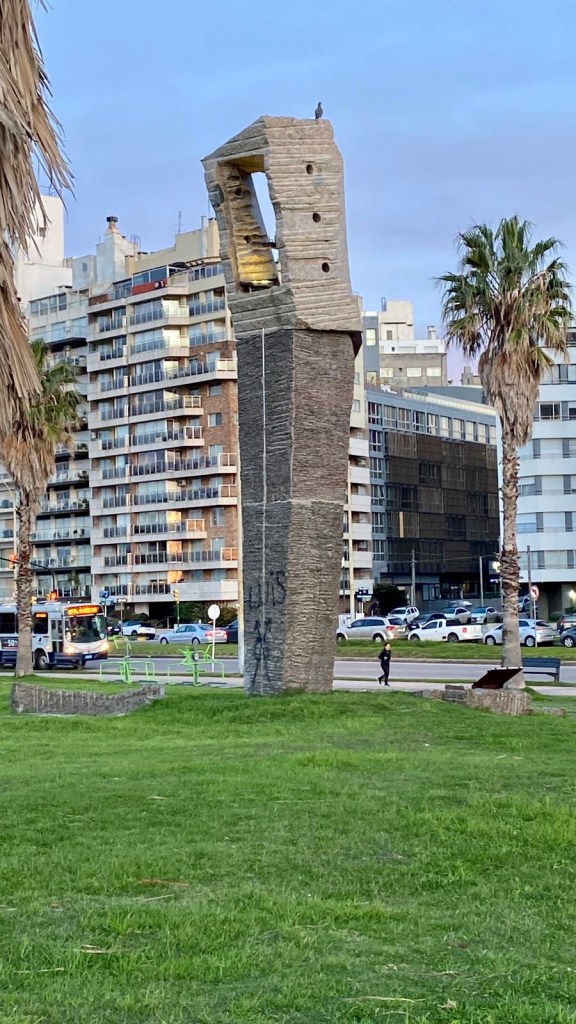
We visited the following landmarks: Rambla Este, Kibon, Cartel de Montevideo, Buceo, Plaza Virgilio, and Hotel Casino Carrasco. The weather was beautiful, around 70 degrees Fahrenheit, with a clear blue sky.

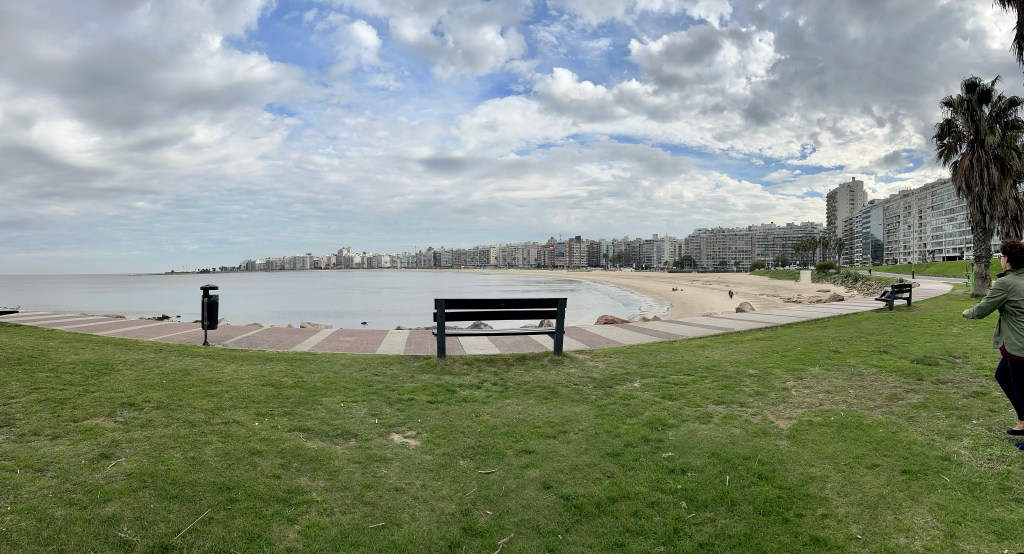
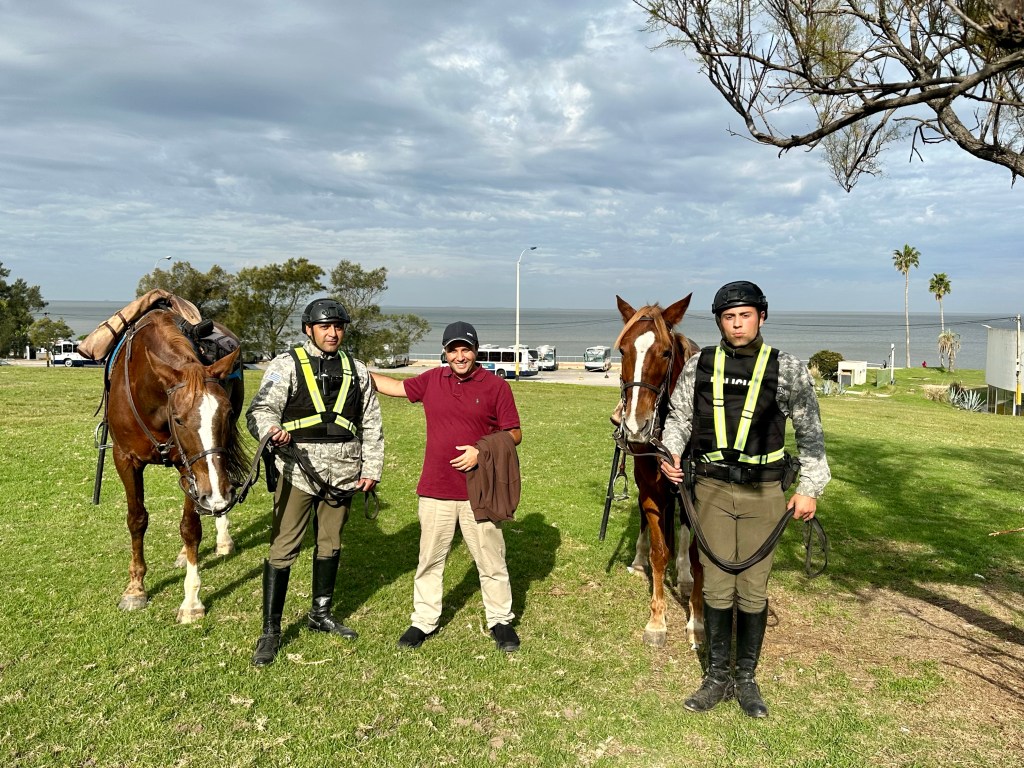
Uruguayan Police on Horseback Patrolling the Coastline

Our tour guide was exceptional. I really enjoyed her way of describing her country. With a bit of humor and joy, she explained everything we needed to know about Uruguay in a short period of time. She mentioned that the name Uruguay comes from indigenous people and means “the river of painted birds (uru).” Even though she said there are many other interpretations, she said that this is the most widely accepted one. She also told us the meaning of Montevideo. She said that even though people think it means “I see the mountain” (which comes from Portuguese “Monte vide eu”), the true meaning is most likely “The sixth mountain from east to west” (“Monte VI De Este a Oeste” in Spanish).

She mentioned that there are around 50 thousand Jewish communities in Montevideo, both Ashkenazi and Sephardic, and she pointed us in the direction of a famous synagogue located in that neighborhood.

She explained their national drink, mate. She said that some people think it is a drug, but it is actually tea that tastes more bitter than green tea.

We also learned that the entire coastal region of Uruguay is public and not privately owned. The public can enjoy every part of the coastal region.

She also mentioned that house, car, and real estate transactions are always in US dollars, and the price of gas depends on gas prices in Texas. She said that if there is a change in gas prices in Texas, they will also have similar changes.

We also learned that the Montevideo Legislative Palace (Palacio Legislativo) is one of the best parliament buildings in the world, with its lavish interior. She said that the parliament floor is made of colorful natural stones, most of which come from Uruguay. She said that this is a must-see place in Uruguay.

She also mentioned that Uruguayans love old things and antiques. She said that Uruguayans celebrate music from the past called Nostalgia Night (Noche de la Nostalgia). She said that all dance clubs, bars, radio stations, and other social places play music from old times during this celebration.

We also learned about Dulce de Leche, a sweet treat made from the caramelization of sugar and milk. This is a popular sweet that you can find everywhere in Uruguay. The guide told us that Dulce de Leche is a very common sweet in all of Latin America, which I also experienced when I was in Mexico and Costa Rica.

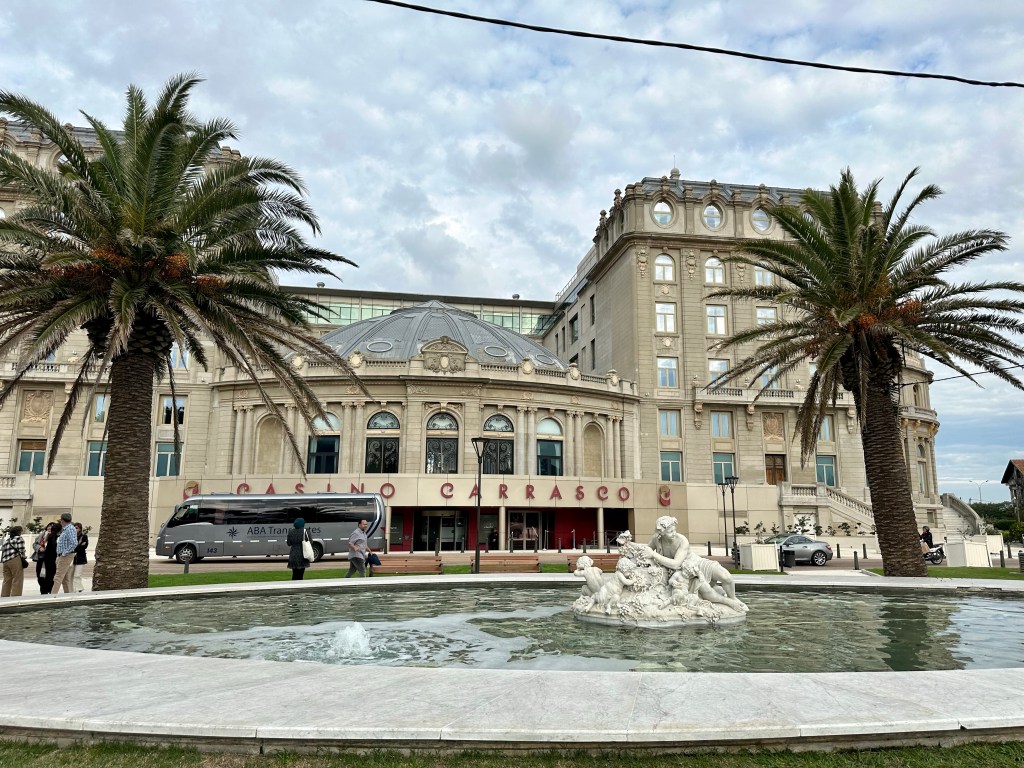
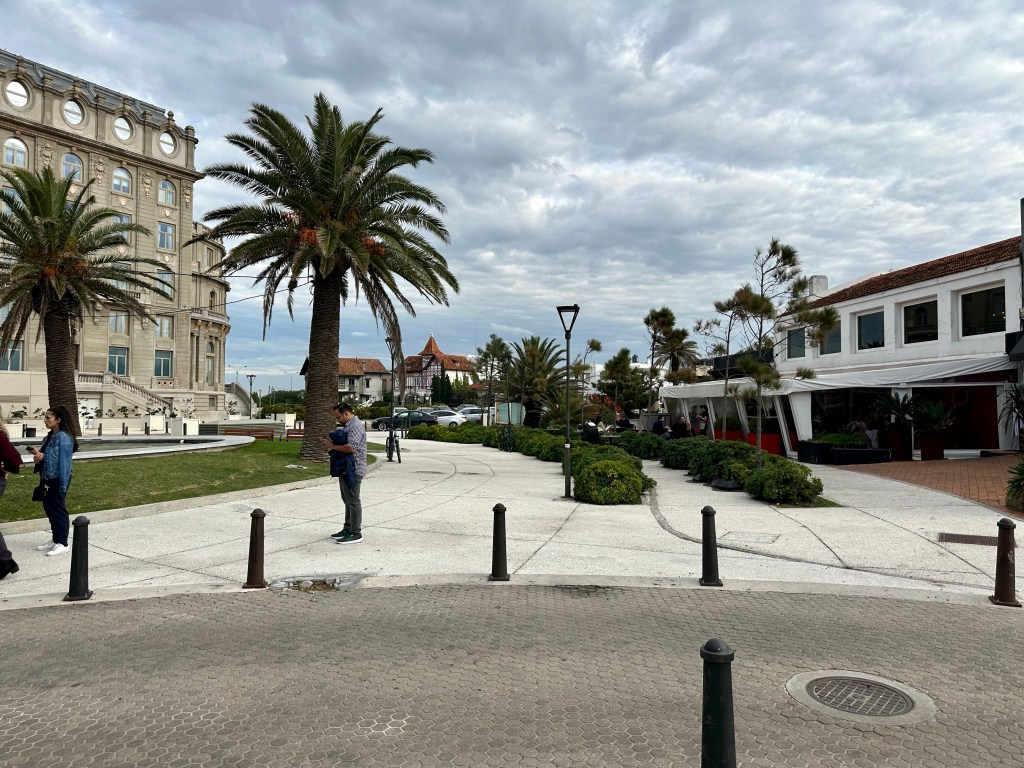
Hotel Casino Carrasco

Tour of Ceibal-Uruguay’s Digital Technology Center for Education Innovation

After our city tour, we visited Ceibal, which is an initiative to promote information technologies for all students in primary and secondary education. They started the “One Laptop per Student” model in Uruguay. The goal is to increase digital literacy and provide ALL Uruguayan students with access to technology. Ceibal serves as a center where all curricula, teacher training, professional development resources, tools, and many other educational resources are available for everyone across the country. We were told that during the pandemic, Uruguay’s education system was not significantly affected due to all students having access to laptops and teachers having video conferencing tools.


Dinner at the Home of Mercedes Jimenez de Arechaga, Executive Director of the Fulbright Commission in Uruguay
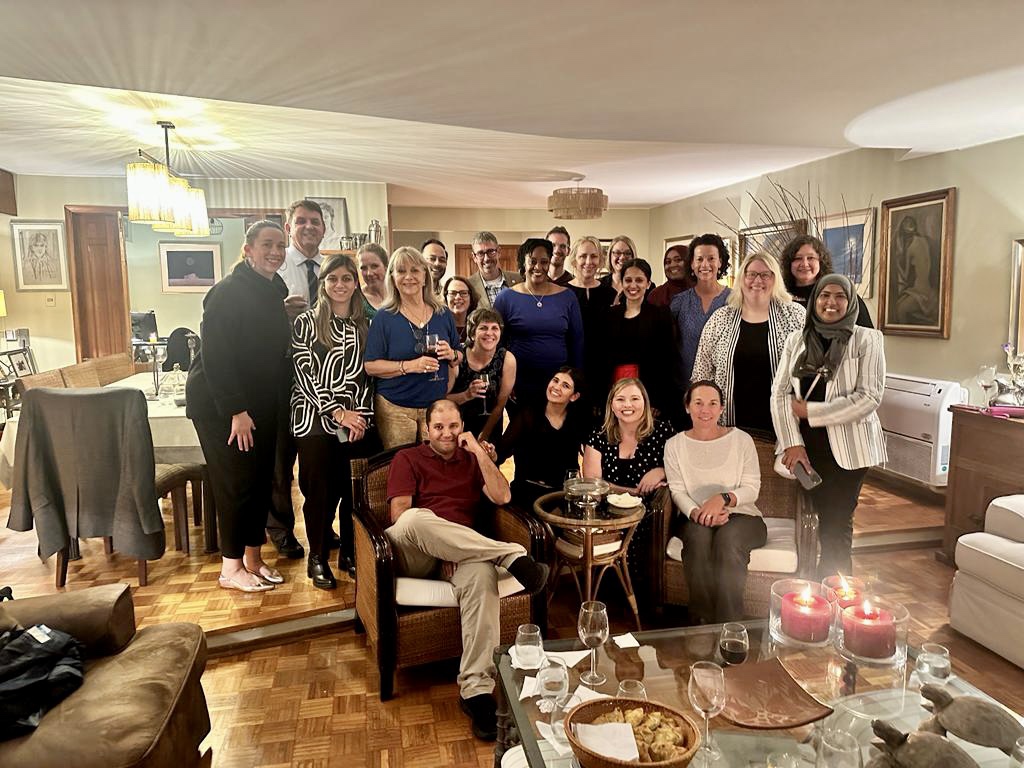
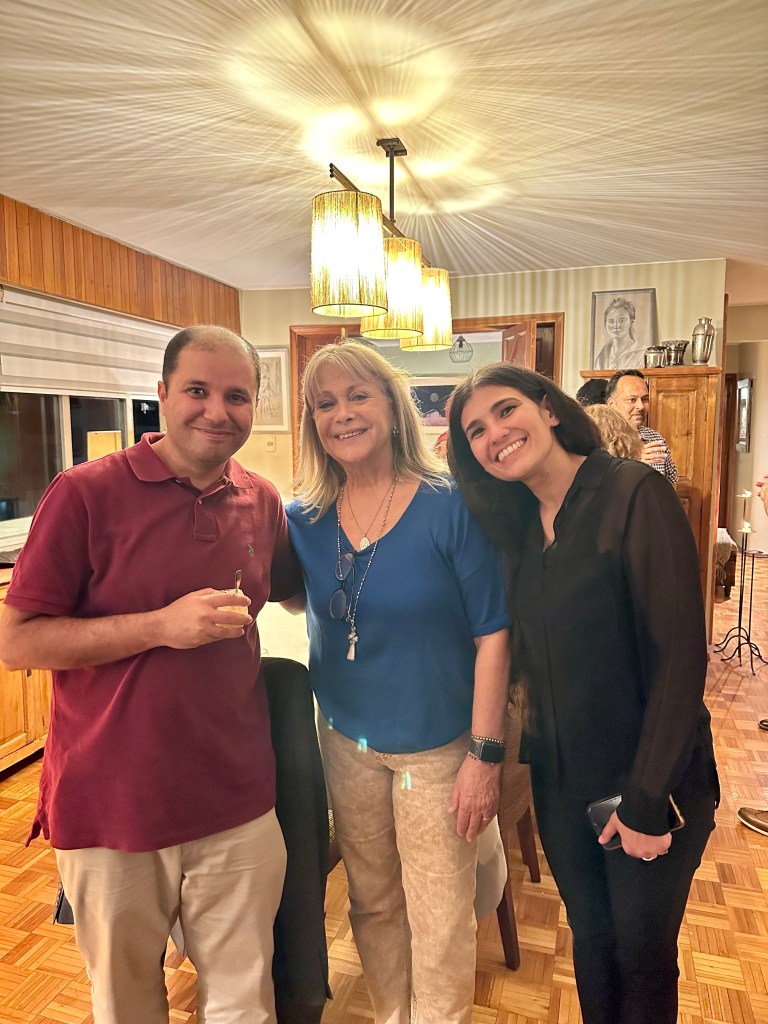
Fulbright Fellows Gathered After Dinner
From the right: Martina Fernandez Fasciolo, representing the Fulbright Commission, and Mercedes Jimenez de Arechaga, Executive Director of the Fulbright Commission in Uruguay.
An Evening in Montevideo at Mercedes’s House

Finally, we concluded our trip with the Fulbright Commission to Uruguay Executive Director’s home, where we were invited to have dinner as guests. It was very thoughtful and kind of her to invite us over to her house. The food was delicious, but more importantly, we had a chance to socialize with our Uruguayan friends and exchange ideas. Once again, they showed us the great spirit of Uruguayans!

Overall, it was a wonderful day filled with insightful sessions, a city tour, and a memorable dinner. I am grateful for the opportunity to be a Fulbright Scholar and to have started my journey here in Uruguay. I am excited and anxious about what the future holds for me in this beautiful country.
Fulbright Teacher for Global Classroom

From Ohio to Uruguay: My Journey as a Fulbright Fellow

The time has finally arrived. I am in the final part of my Fulbright Teacher for Global Classroom fellowship, the international field experience. As I write this post, we have successfully completed our first day here in Uruguay’s capital city!

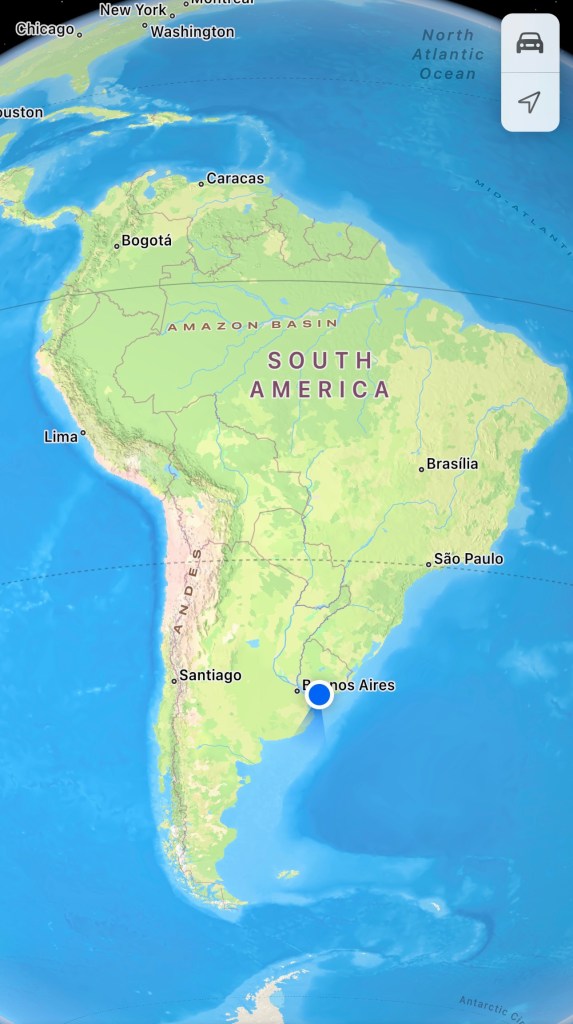
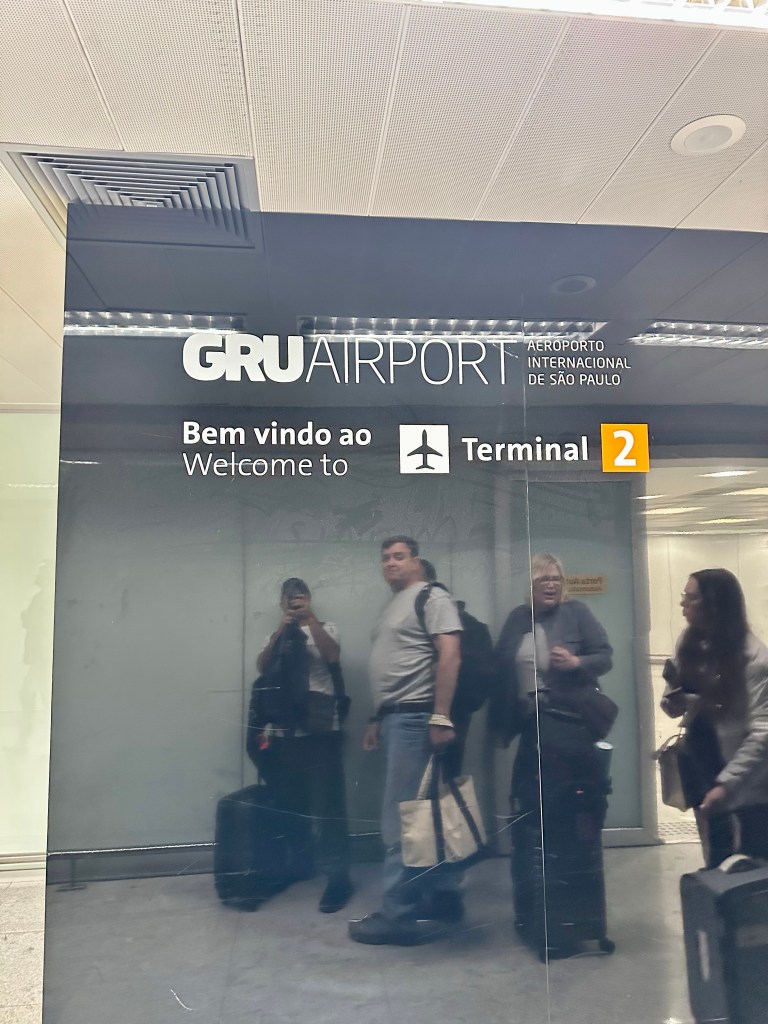
My flight journey from Columbus, Ohio to Montevideo, Uruguay took almost 22 hours. I had a layover in Dallas, Texas and then Sao Paulo, Brazil. Interestingly, it felt short. I don’t know why. I think I was just too excited for my trip. First of all, I have never been to Brazil or Uruguay before. Now, Montevideo, Uruguay holds the distinction of being the southernmost place on Earth that I have visited. I believe that’s why this trip is more exciting in different way than other trips I took before. I even showed my son where I am on the map, and he said, “Dad, you are so close to Antarctica!” Indeed, I am. It feels different to the southern hemisphere of the planet. It’s winter here whereas the northern hemisphere is experiencing summer time.

Montevideo, the capital city of Uruguay

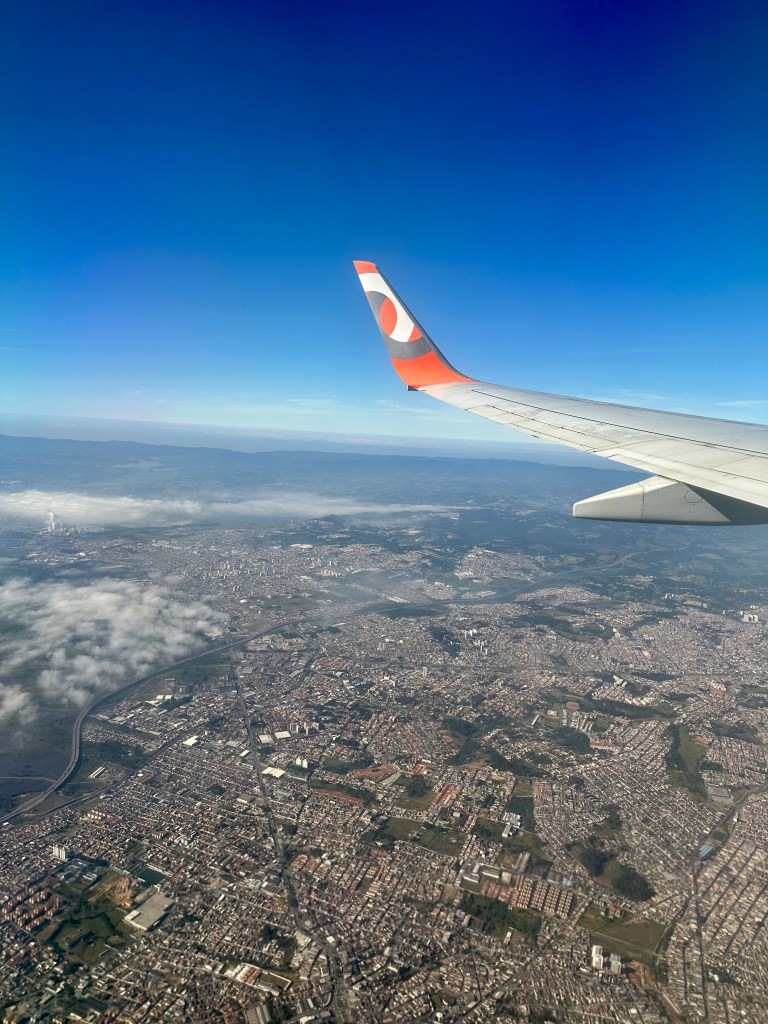
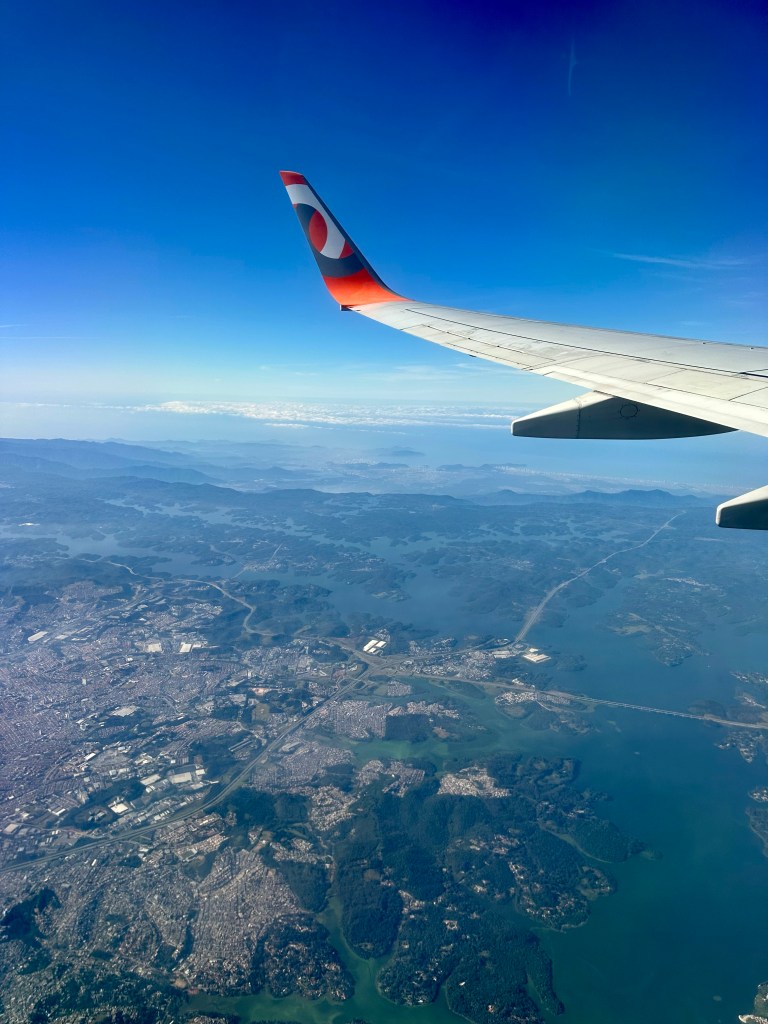
Most of us gathered in Sao Paulo for our flight to Montevideo. The aerial view of Sao Paulo was gorgeous, and I wanted to stay awake to see more, but I eventually fell asleep. The last thing I remember is the flight captain announcing that we would be ascending to Montevideo in 30 minutes. However, even in that short time, I managed to see the hillsides of Montevideo from above.

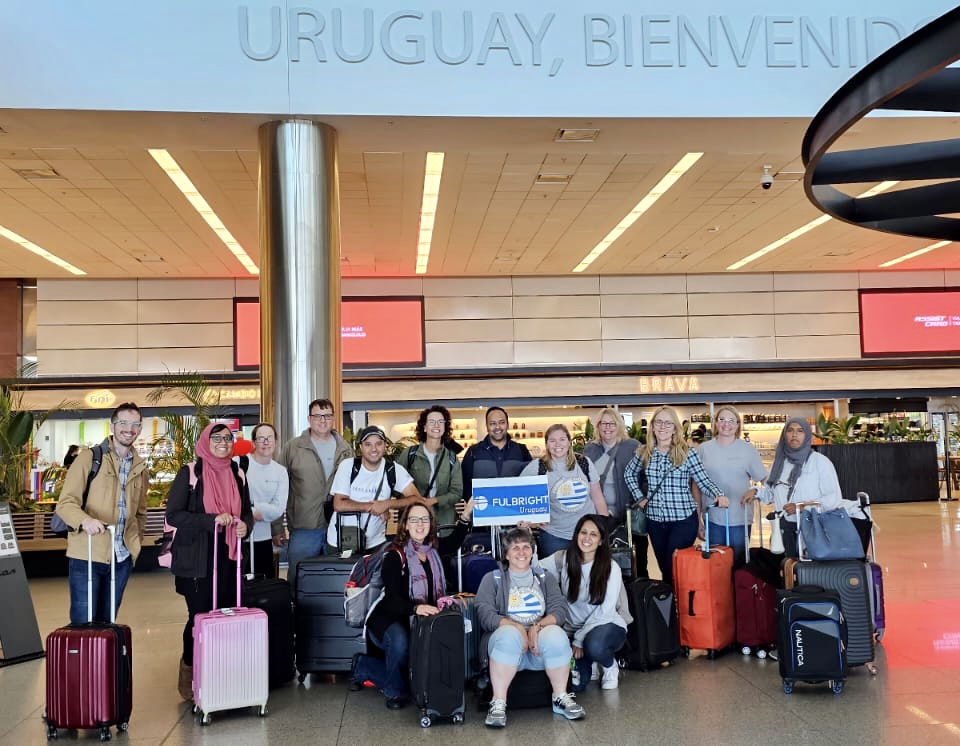
Welcome to Uruguay, 2023 Fulbright Teacher for Global Classroom Fellows

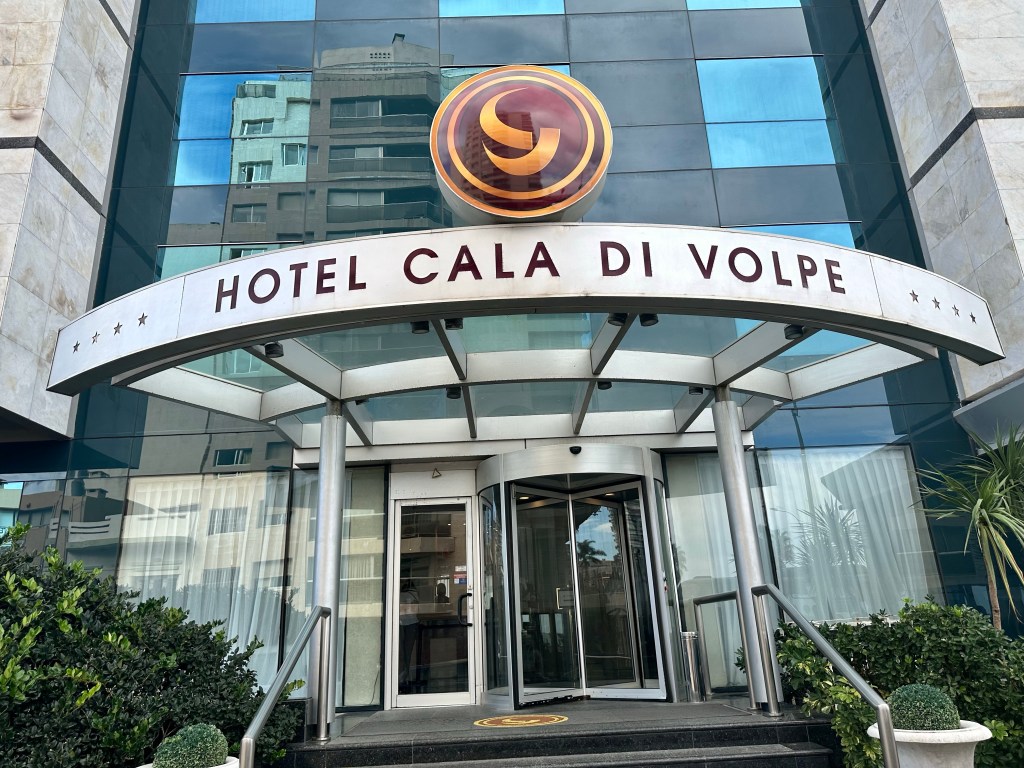
Once we landed, our bus driver was waiting for us to take us to our hotel, Cala Di Volpe Boutique Hotel. This four-star hotel is located at the center of the city by the beach and has beautiful beachside houses, buildings and parks.

We had lunch at the hotel’s restaurant while our host, Martina, checked us in to save us some time. I’m glad she did because I was so hungry. I didn’t eat any food that was served on the plane. I just don’t like food that’s been served on a plane. It hurts my stomach. Because of that, I usually pack something to eat when I’m traveling, but I guess this time it wasn’t enough.

After lunch, we went to our rooms, settled in, and headed straight to the hotel conference room for our first sessions.

The first session was about Safety and Security, presented by the US Embassy, followed by Welcome Packets and Program Overview, and then Cultural Awareness.

There was a lot of great information shared during the sessions, but I wanted to share a couple of important points here. Uruguay is a relatively safe country compared to other countries in Latin America. The majority of crimes are related to robberies and carjackings. The members of the U.S embassy shared our contact information just in case we had any emergency. I was impressed by how well everything was very well thought out. I was also so impressed by how our embassies work well in other countries. I have also seen this when I visited the U.S. embassy in the Kingdom of Bahrain as an educator during my other professional development study back in 2018. 

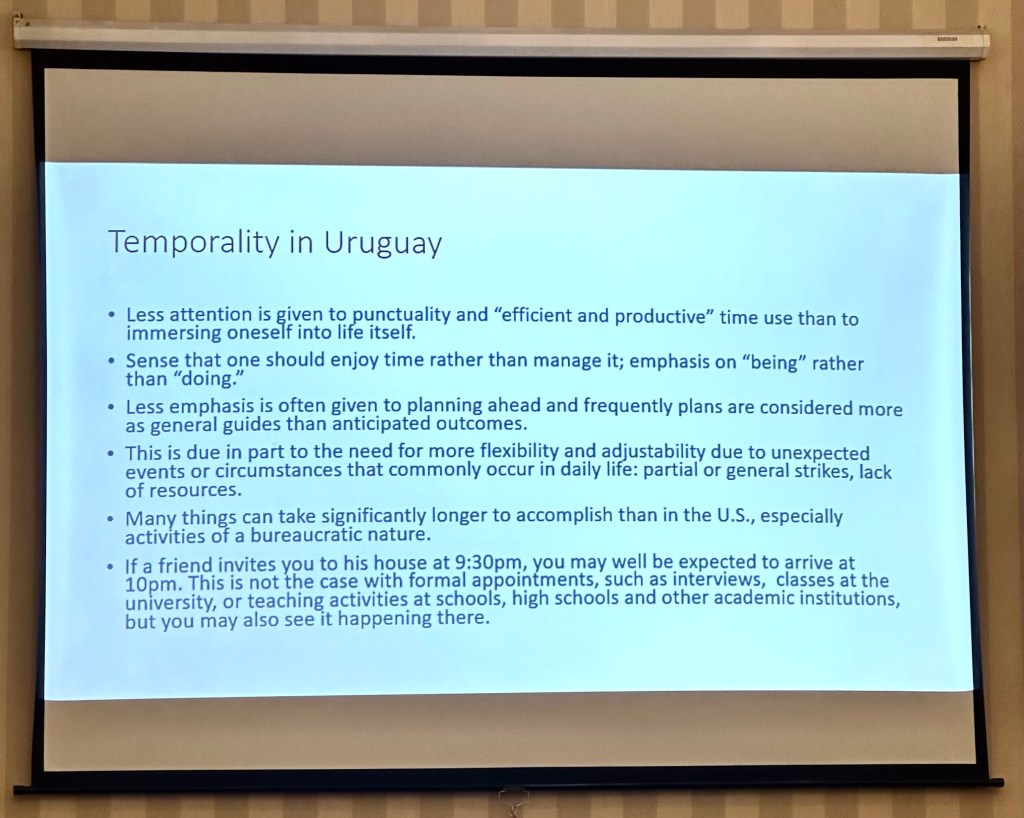
During our second session, Cultural Awareness, we learned about high-context and low-context cultures and how they behave in different situations. I have to admit that this was one of the best professional development sessions that I have ever had in my education career. During the session, I had so many clicks in my mind that I understood the meaning of so many things in my personal and professional life. I have learned that in low-context cultures such as those in North America, Scandinavia, and Germany, communication tends to be more direct and to the point. Whereas in high-context cultures like those in Japan, China, and Arab countries, they have more indirect communication. The main point is conveyed through various social clues so that the person who is being communicated can grasp it. In low-context cultures, people tend to be more individual-centric and value personal space, while high-context cultures focus on community and social context. In high-context cultures, the community and social bonds are at the center, and they are closely knit together.

Getting ready for our first session, safety!

In the case of Uruguayan culture, it falls into the category of high-context culture. The people here are “relaxed.” I don’t want to use the word “relaxed” because it gives me a negative impression, but in reality, they are living life to the fullest with their loved ones and nature. I have observed this mindset in countries in the Middle East, Europe, and in other Latin America as well. If you ask me which context I want to be, I tend to be more in high context culture.

I’d like to share a pattern that I have noticed in high-context cultures. Since being part of the community is important, there are more gatherings and social events. It is like there is always an excuse to have a gathering. The time spent on meals is longer, and the dishes are elegant. Since they value mealtime, the meals become an art. Restaurants compete to make the best food, and the food becomes healthier because they know that the best meals come from the best ingredients. Even the clothes they wear become elegant. Why? Because they are always out with people, they tend to dress well. When this becomes a habit, they have a variety of clothes. As there is a high demand for clothes, companies produce high-quality garments. I have noticed this trend in food and clothing in every country with a high-context culture. During our short break before dinner, we visited a mall, just a couple blocks away from our hotel and saw this in action, as well as in the dinner we had tonight.

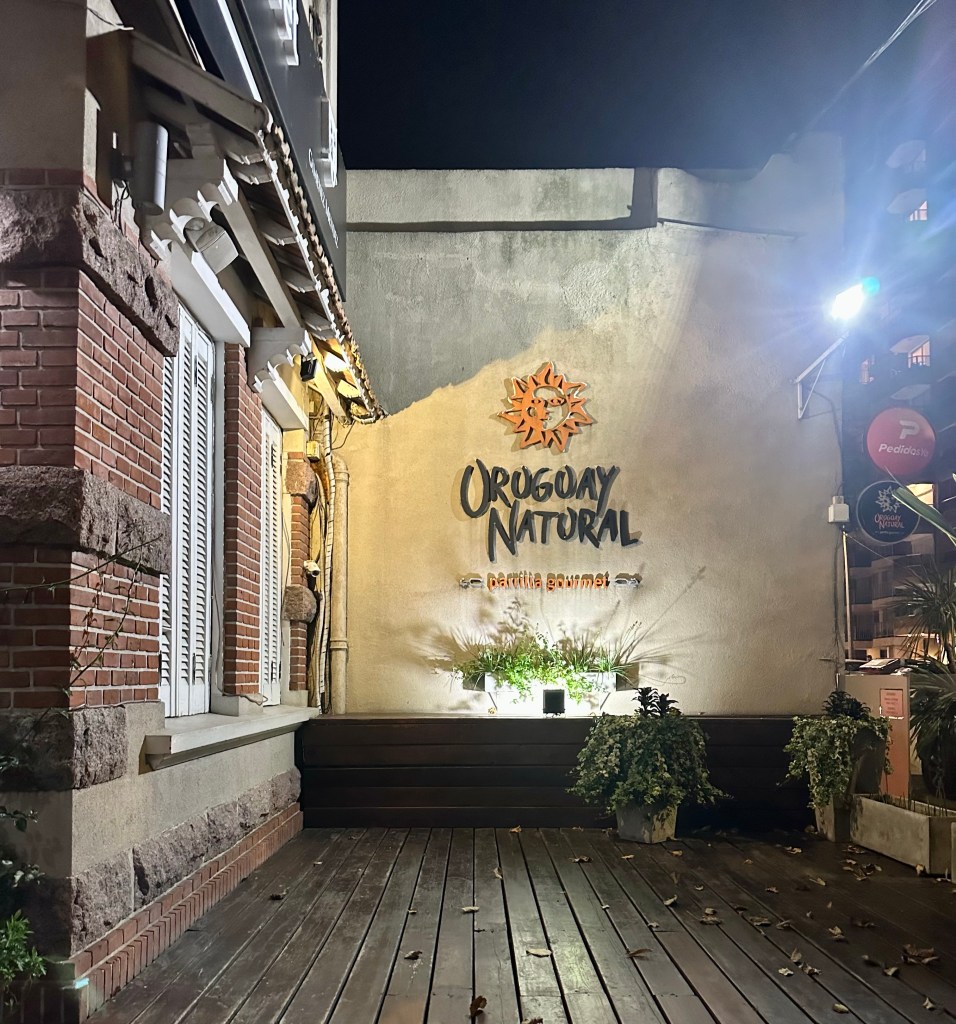
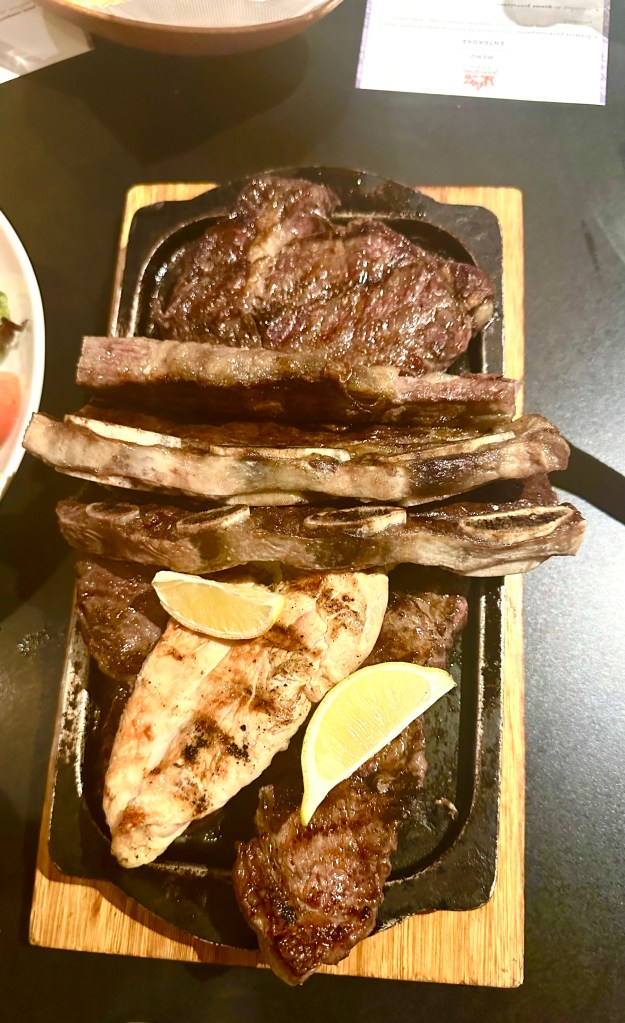
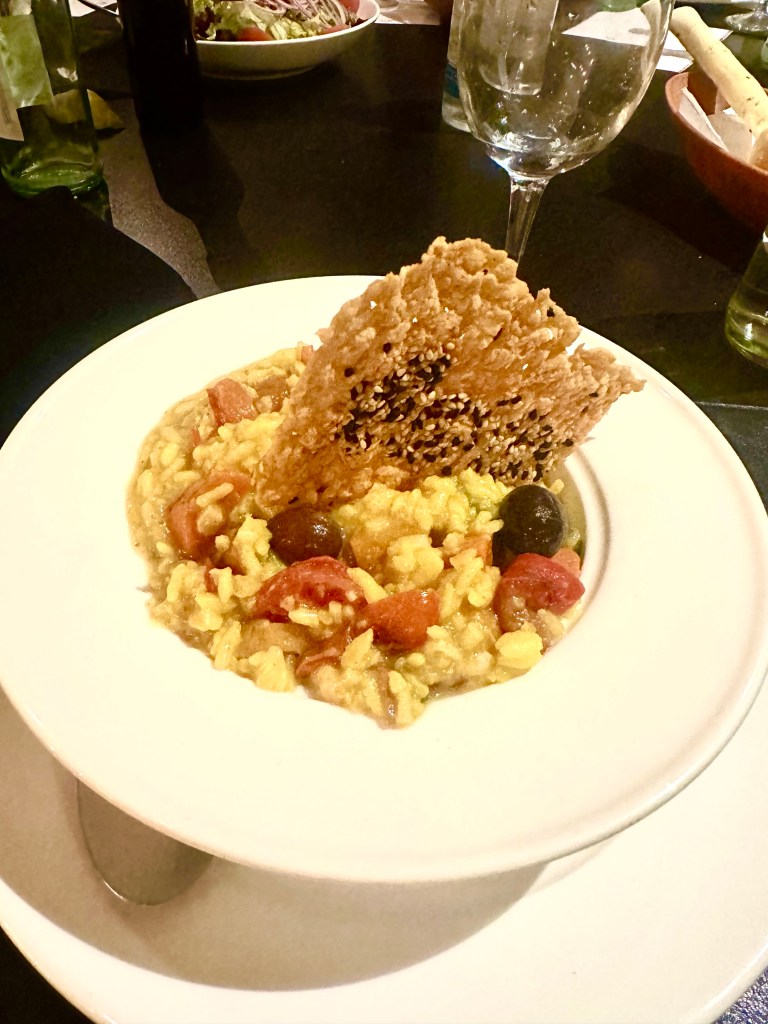
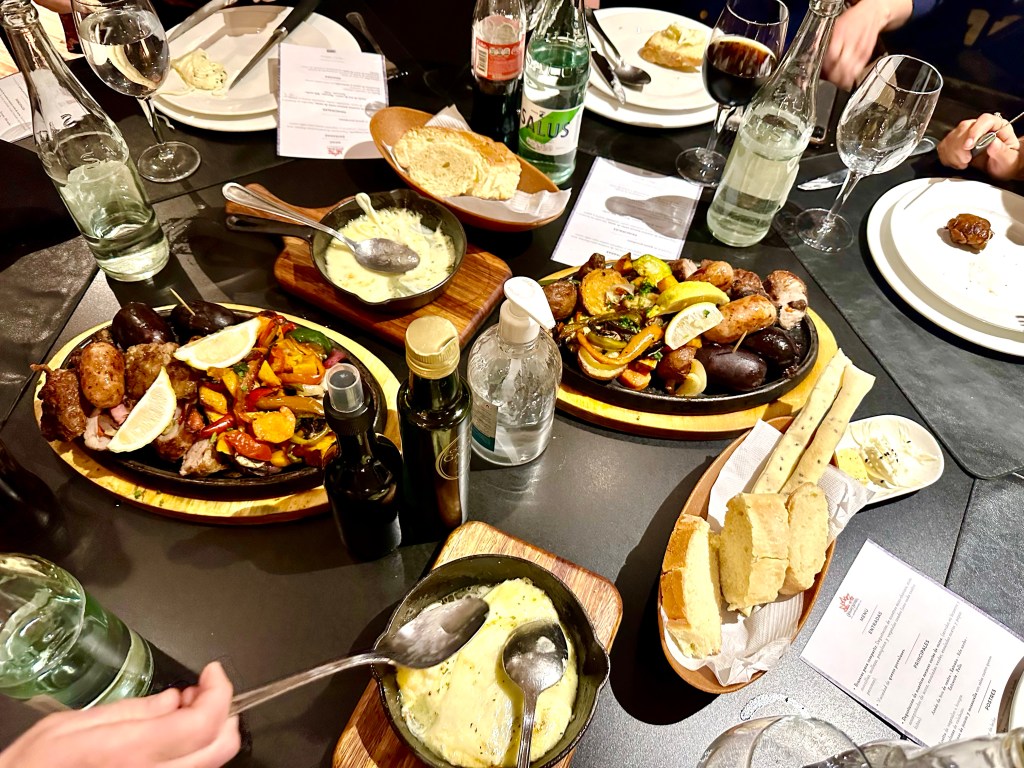
Our first night dinner was at Uruguay Natural which was phenomenal. Even though I couldn’t eat the BBQ meat due to my Halal diet, I can tell it was delicious just by looking at it. They had many types of meat cuttings and sausages.

Famous Uruguayan grill, Asado

I hope I can find a place that serves halal meat so that I won’t leave this country without trying its famous BBQ, Asado. Wish me luck!

Fulbright Teacher for Global Classroom

The Fulbright TGC Fellowship: A Dream Come True for Global Education Enthusiasts!

Come with me on an exciting adventure of personal and professional growth as I share my Fulbright TGC experience! As an educator with a passion for global education, the Fulbright Teacher for Global Classroom Fellowship was a dream come true. After being waitlisted on my first attempt, I was overjoyed to receive an email in August 2022 stating that I had been selected for the fellowship. Little did I know, this would be the start of an incredible journey filled with opportunity and growth.

The 10-week long intensive global education course was filled with valuable tools and resources related to global education, including webinars and assignments. Despite the workload, I was eager to learn as much as I could, especially from my cohort of educators across the U.S. with different subjects and grade levels. Through weekly webinars and discussion posts, we shared ideas and resources, which helped me broaden my perspectives and gain new insights.

But the real excitement began when we created our unit plans towards the end of the course. I decided to focus on water, with a global perspective and a local impact. And the results were truly amazing! I applied for and was awarded a small classroom grant of $5,000 to buy test kits and other related expenses to test our local water system with students. And that was just the beginning! I went on to propose an international expedition to teach students about water systems in a global context. To my delight, the proposal was accepted, and we received $25,000 to extend our learning beyond our community. As I write this post, I am thrilled to be taking 6 students and one of my colleagues to Costa Rica next month to study marine mammals and predators.

But that’s not all! After the course, we were invited to attend a global education symposium in Washington D.C., where we had the opportunity to meet people from IREX and Fulbright, government officials, and our fellow cohort members. We were even able to bring our administrators, which was a fantastic opportunity. I learned so much about the program and met people who I will be traveling with to Uruguay this summer from June 4th to 18th.

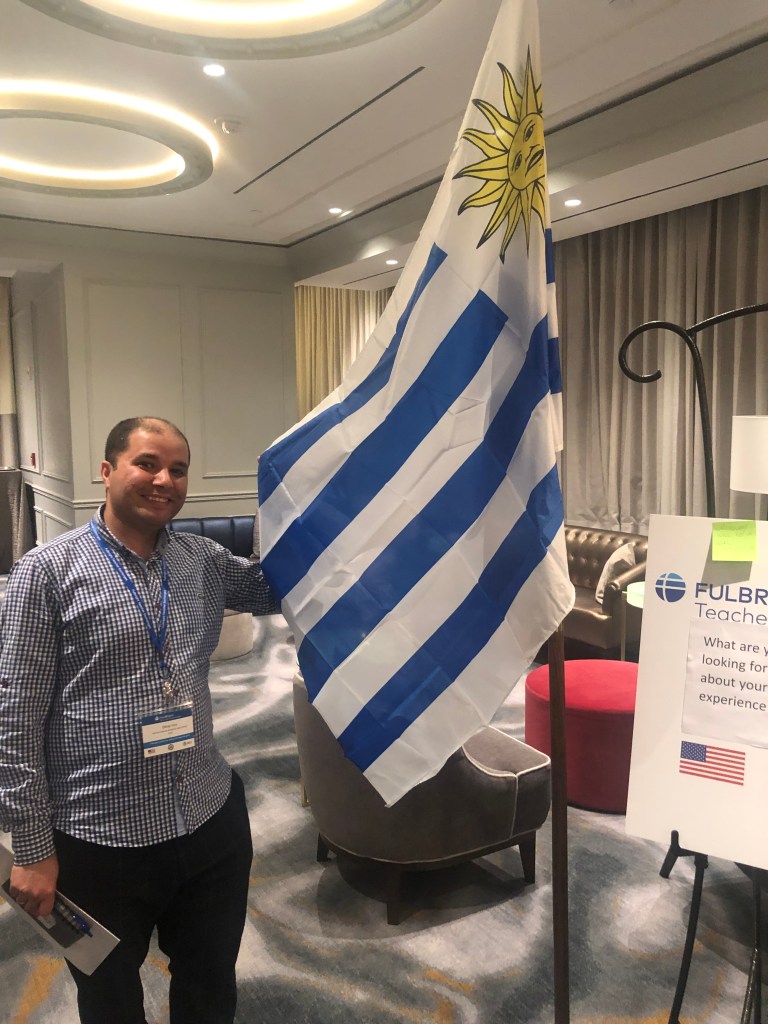
Of course, I needed to take a picture of myself in front of the Uruguayan flag during the Global Education Symposium in D.C.

My Fulbright TGC experience has been nothing short of amazing so far, and we haven’t even gone on our international field experience yet. I can’t wait to see what lies ahead. Fulbright Teacher for Global Classroom has given me the tools and resources to develop a global education perspective, and I am excited to continue sharing this with my students and community. From the intensive global education course to the international expedition, I have grown both personally and professionally. I am grateful for this incredible opportunity and can’t wait to see where it takes me next. So join me on this journey of personal and professional growth, and let’s discover the world of global education together!

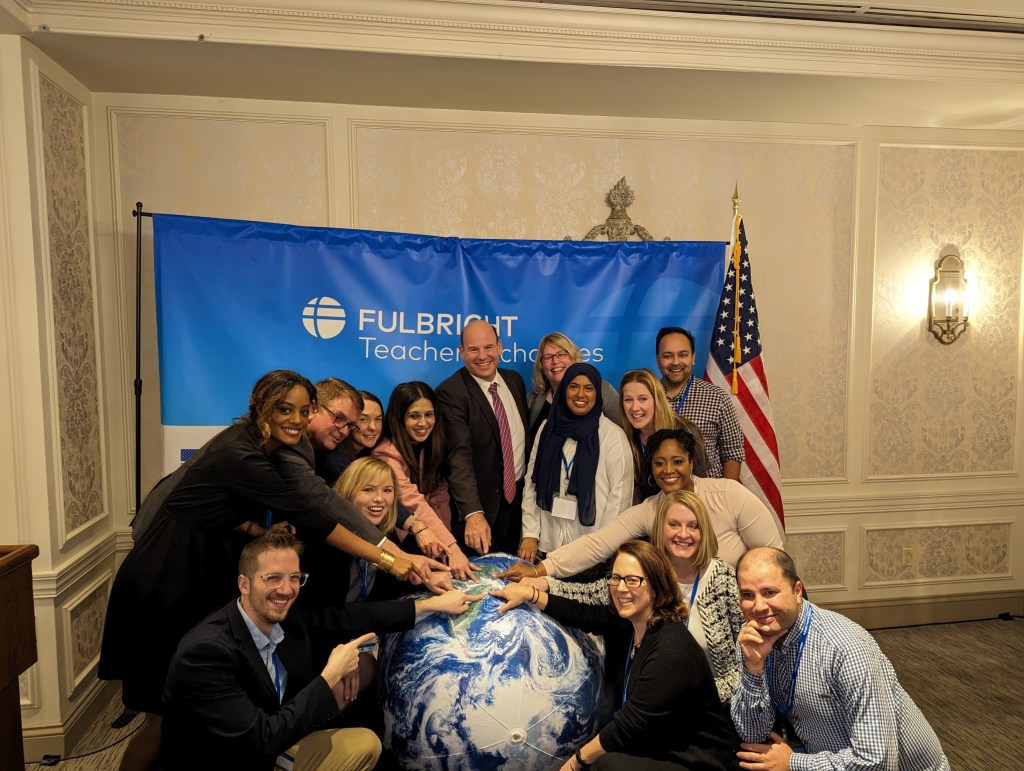
My amazing Fulbright TGC fellows who will soon be going to Uruguay! Credit: I’m not sure you took this picture from this group but definitely one of these educators!

Fulbright Teacher for Global Classroom

Unleashing the Power of the Expeditionary Mindset: A Journey of Personal and Professional Growth

Buckle up, because I have a story to tell you! As someone who has had the privilege of participating in numerous national and international field experiences, I have come to appreciate the importance of having an expeditionary mindset. And trust me, you won’t want to miss out on this mindset that can take you to places beyond your wildest imagination!

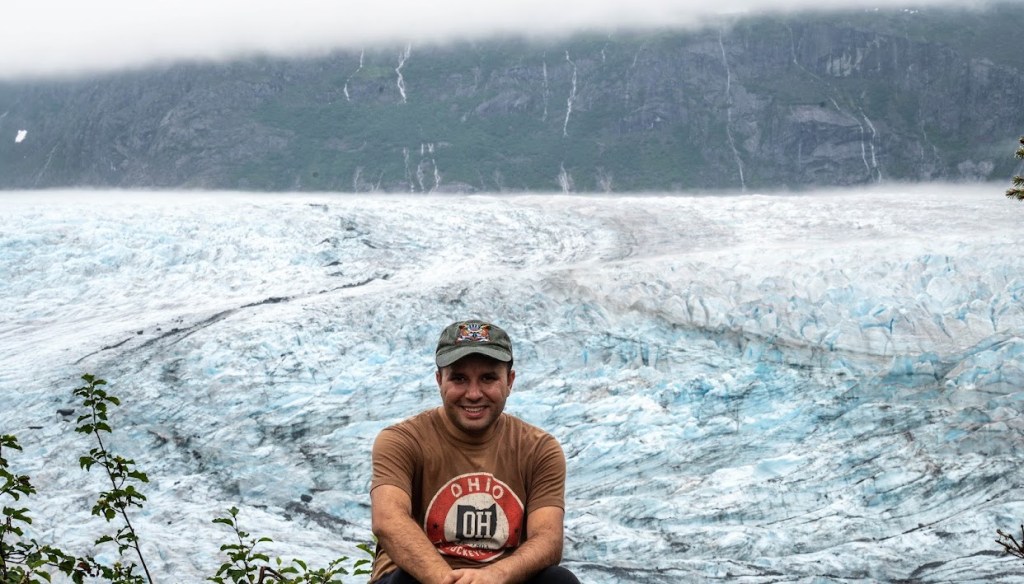
Taking in the stunning views of Mendenhall Glacier from atop the mountains in Juneau, Alaska – June 28th, 2022

Are you tired of feeling stuck in your personal and professional life? Are you looking for something that will help you grow and explore new opportunities? Look no further, my friend. The expeditionary mindset is the answer to all your problems!

But wait, what is an expeditionary mindset, you ask? It’s a way of thinking that prepares you for the unknown and unexpected. It involves being open-minded, adaptable, and resourceful, and the ability to navigate new situations and environments with curiosity and resilience. Imagine having these qualities and how they can take you to great heights!

Now, I know what you’re thinking. This mindset is probably only for those who love to travel and explore, right? Wrong! Anyone, regardless of their age or profession, can benefit from cultivating an expeditionary mindset. It allows you to approach challenges with a positive attitude and a willingness to learn, leading to personal and professional growth. Who doesn’t want that?

But wait, there’s more! An expeditionary mindset goes beyond just adapting to new environments. It involves taking risks and embracing new opportunities. By stepping outside of our comfort zones, we can learn and grow in ways that would not be possible otherwise. This mindset encourages us to seek out new experiences and challenges, both at home and abroad.

Now, here’s the best part. You don’t have to be born with an expeditionary mindset. It’s a mindset that can be learned! And in my blog, I will share my own professional development experiences and provide resources and tools that you can use to develop an expeditionary mindset.

So, are you ready to embark on a journey of personal and professional growth? Are you ready to embrace an expeditionary mindset and see where it takes you? Then join me on this adventure, and let’s explore the power of the expeditionary mindset together!