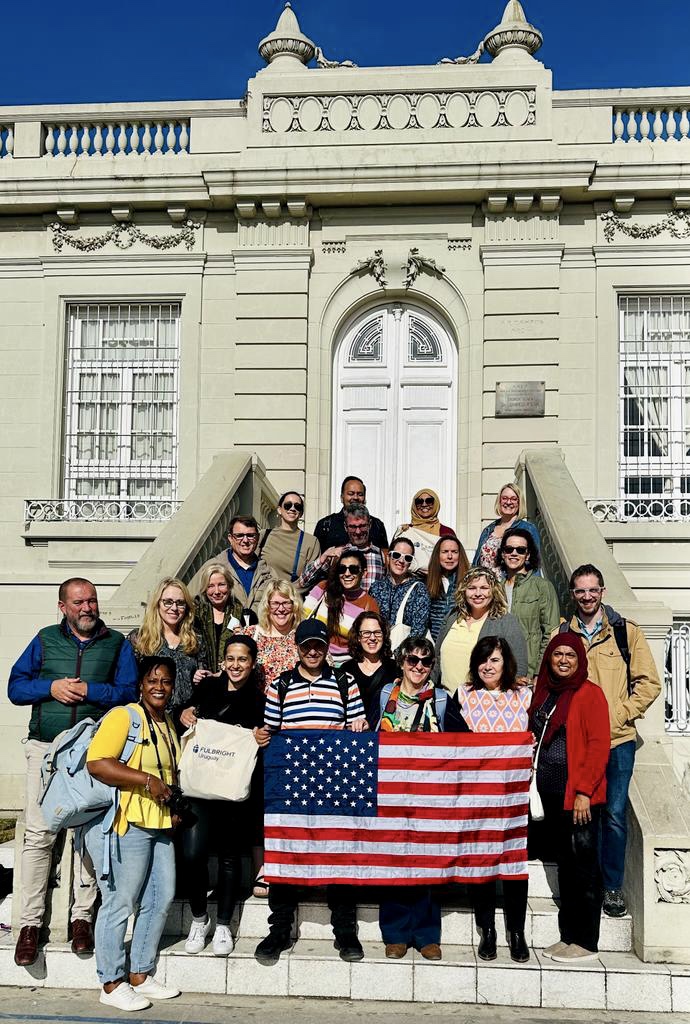
Today is our last day in Montevideo before each group heads to their respective provinces. After our experiences in the provinces, we will return to Montevideo and spend three more days.
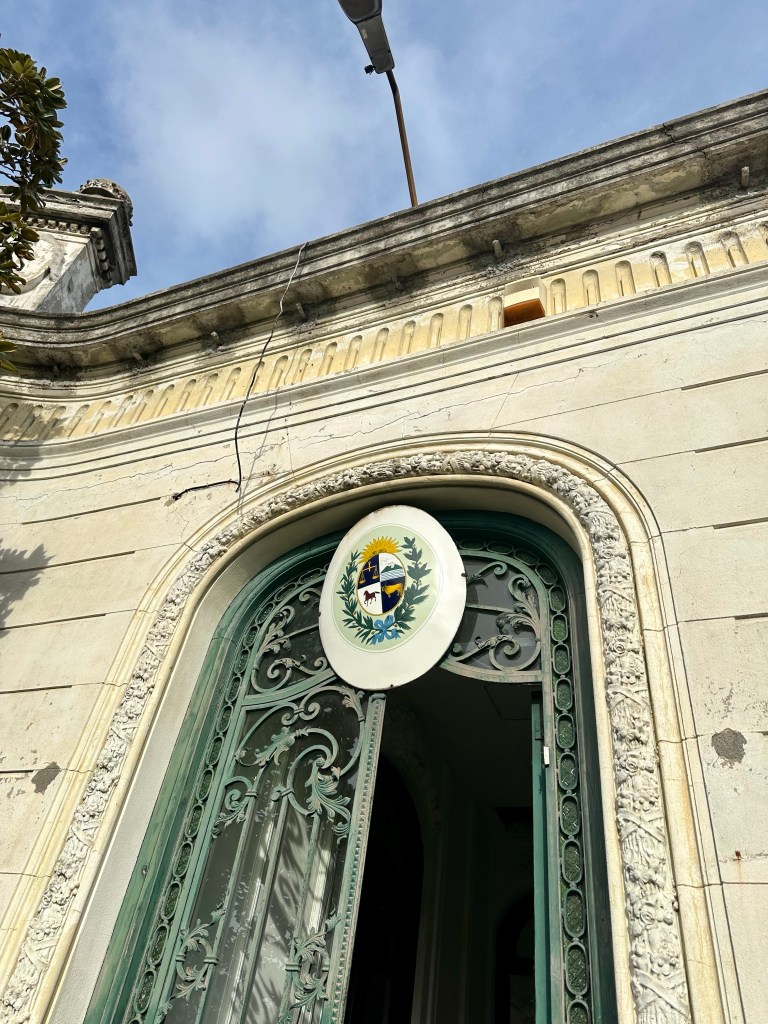
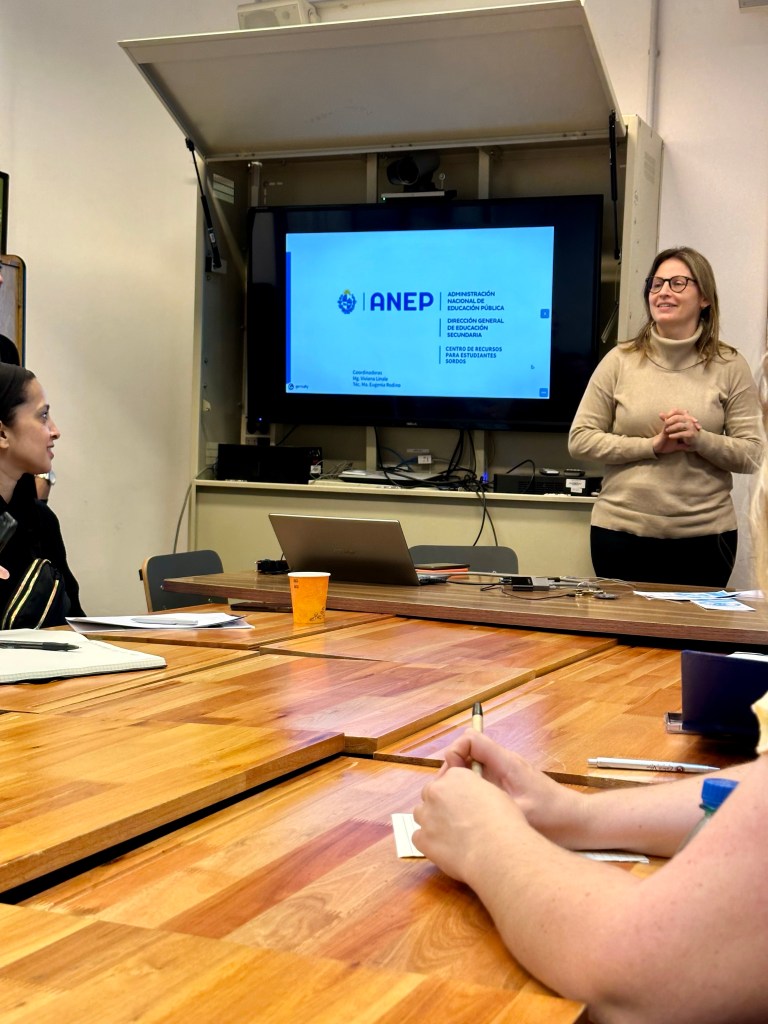
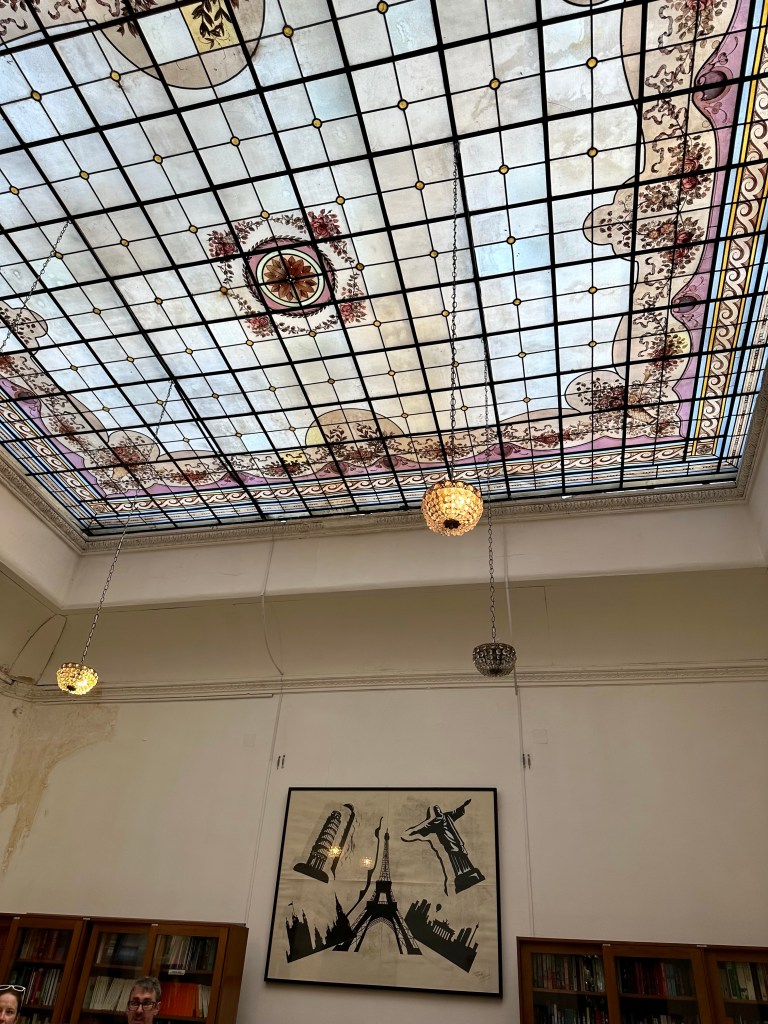
On our third day, we visited the Casona de Políticas Lingüísticas (Directorate of Language Policies), where we discussed the teaching of different languages in Uruguay. They also highlighted their efforts to provide education to students with hearing disabilities. I was impressed by the building’s structure, which resembled a museum rather than typical office space.
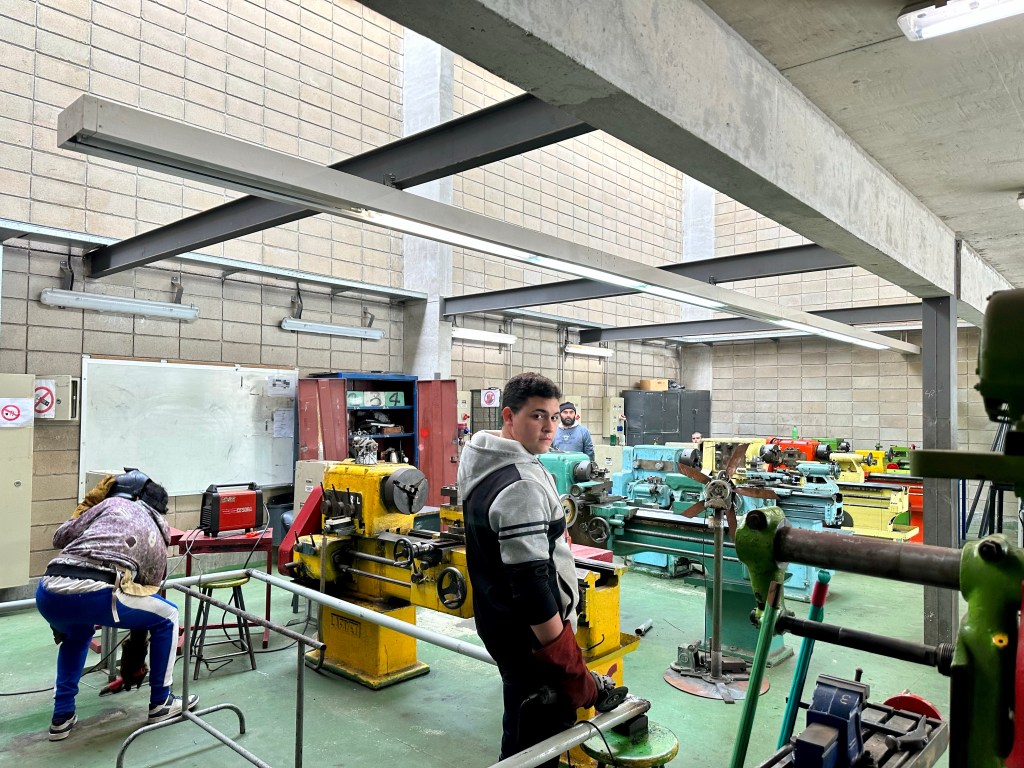
We then headed to a technical school, Escuela Técnica Domingo Arena, in one of the poor neighborhoods. In this technical school, students learn some of the vocational skills in addition to their main courses similar to what we can find technical schools in the U.S. Since the students are coming from low socioeconomic backgrounds, giving them a chance to learn some of the technical skills and allow them to have certifications in the areas of their interests would allow them to be productive members of society. Uruguayans highly value these vocational schools in disadvantaged neighborhoods, and I was truly impressed by the breadth of technical skills the students acquire here.
We ate our lunch at the school, prepared by students who are in the culinary program. They treated us to one of the best meals I have ever eaten in Uruguay. The way they presented their dishes on the plate, the service, and their kindness were incredible. I was so grateful for the teachers who are making a difference in students’ lives here in this poor neighborhood of Montevideo.
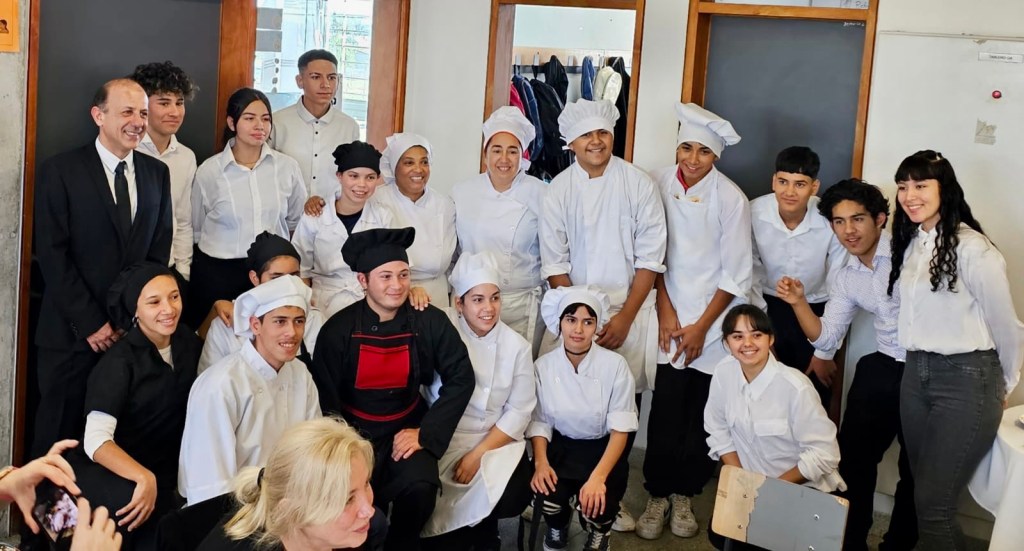
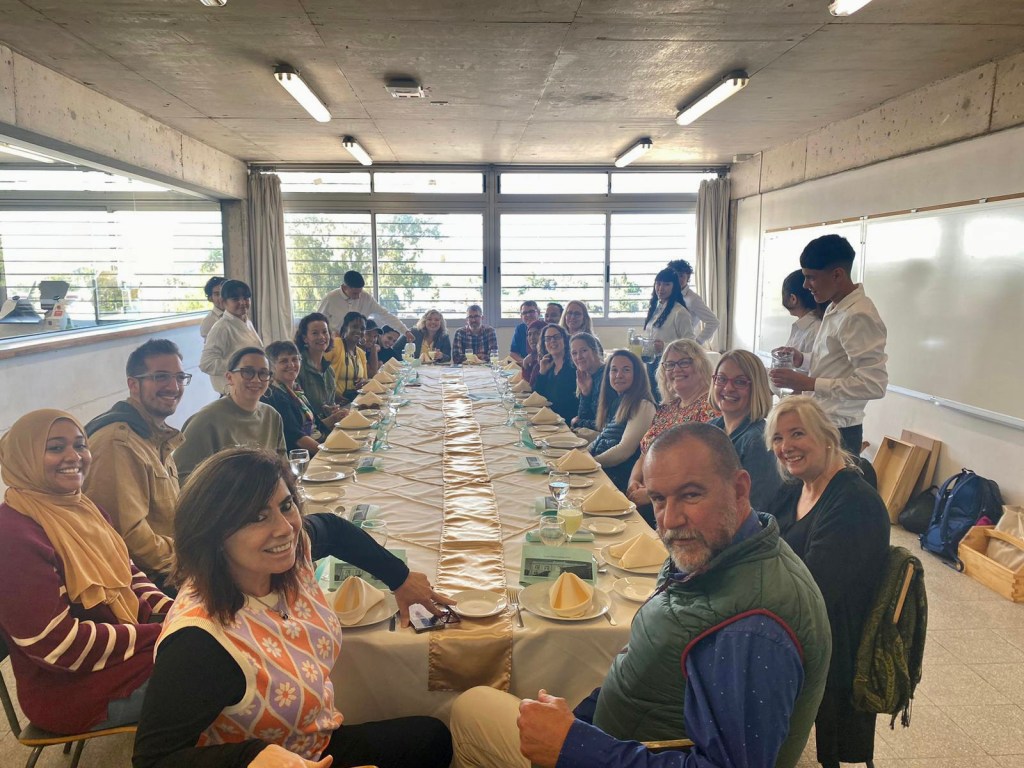
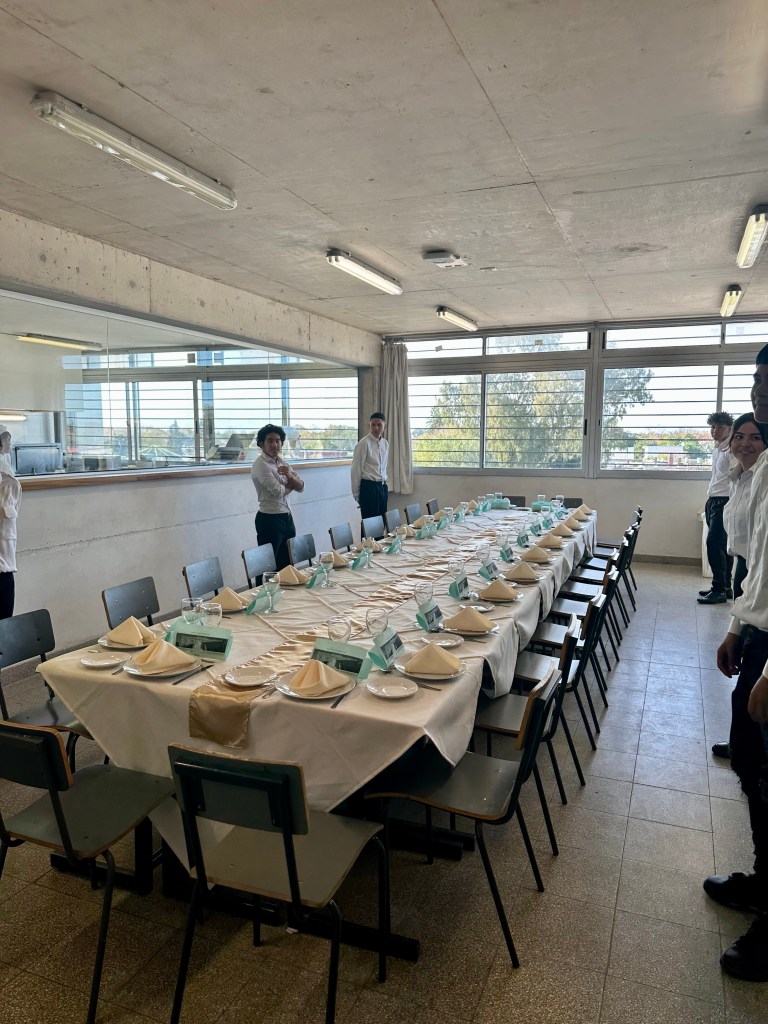

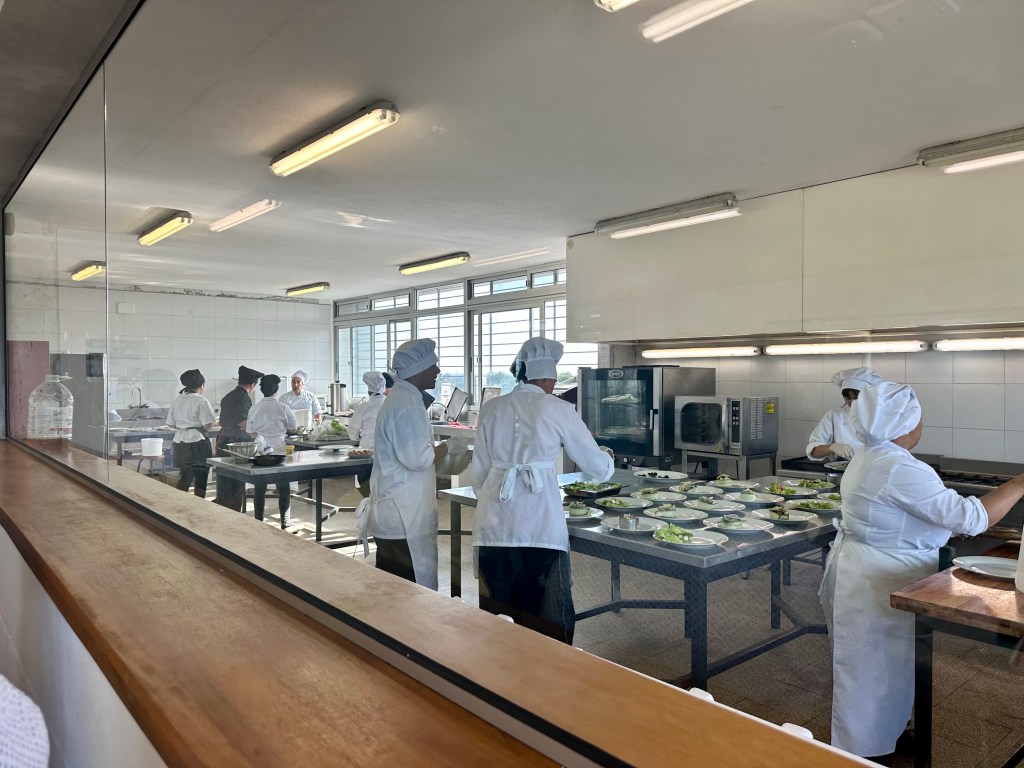
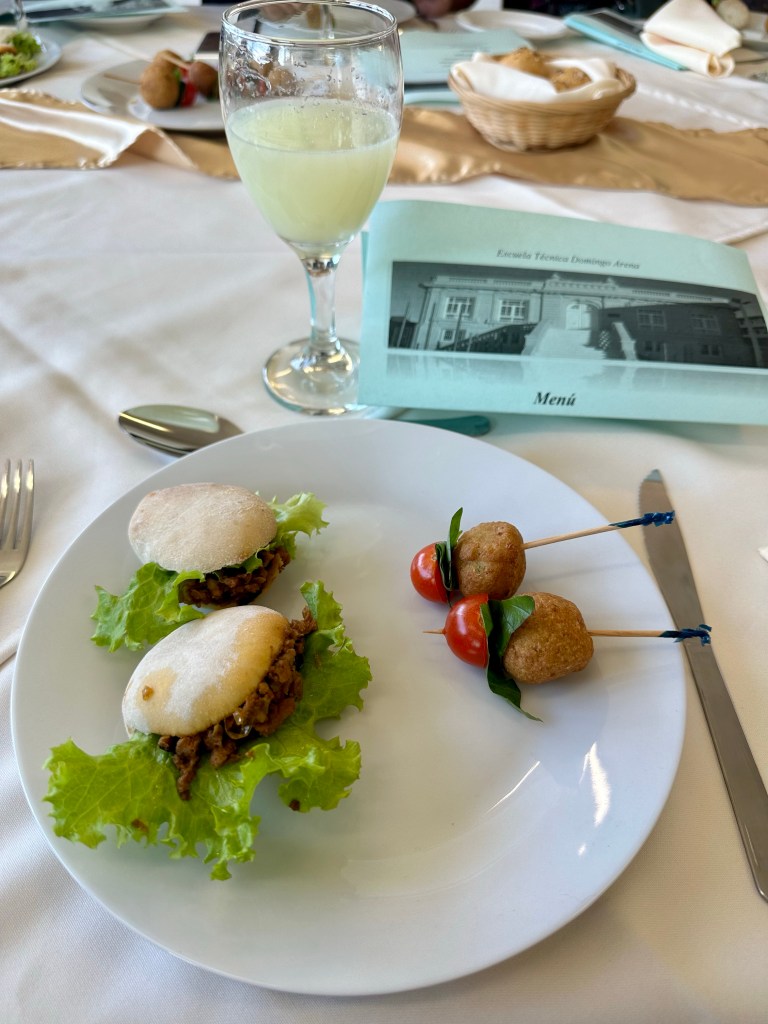

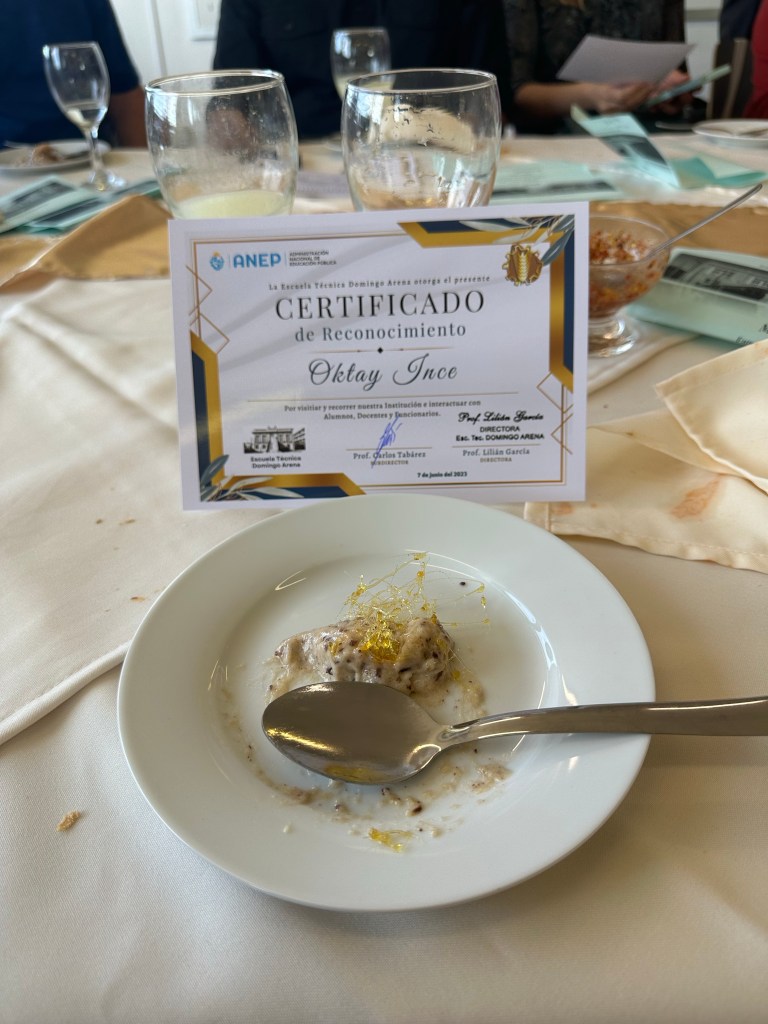
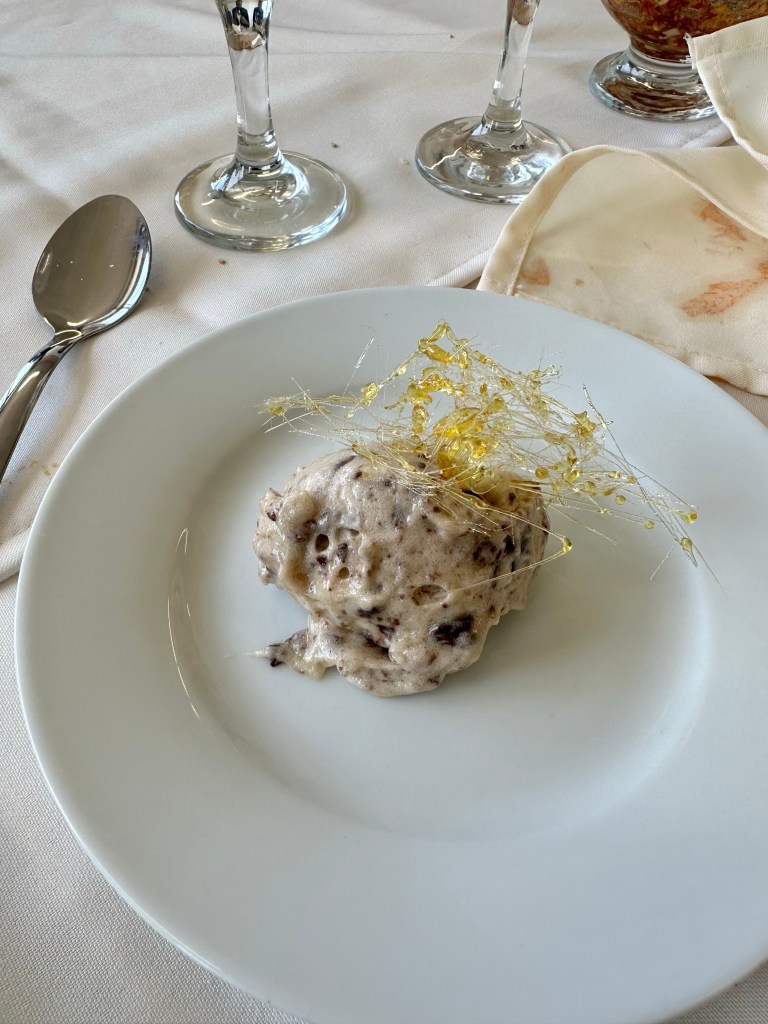
As an advocate for project-based learning, I was thrilled to see how teachers at this technical school collaborate to make learning more impactful. Each workshop teacher works together with language teachers, math teachers, or teachers from other subjects to incorporate relevant content into projects. They explained that this approach helps students better understand the theories and prevents learning from becoming dull, considering the students’ backgrounds. Once again, I learned that students are students, no matter where they are. They won’t be engaged if the content they learn is not authentic, relevant, or useful to them.
Rural School No. 88 “Alfred Nobel”
After visiting the technical school, we headed to Rural School No. 88 “Alfred Nobel”, a rural school located about an hour and thirty minutes north of Montevideo. As soon as we arrived, the school principal and students were waiting for us at the door with a welcoming sign. It was a humbling experience. The principal greeted us and provided a brief introduction to their school. It is a small rural school with around 80 students, focusing on science education and project-based learning. Students tackle real-world problems in their lives and communities, working to find solutions within their small classrooms.
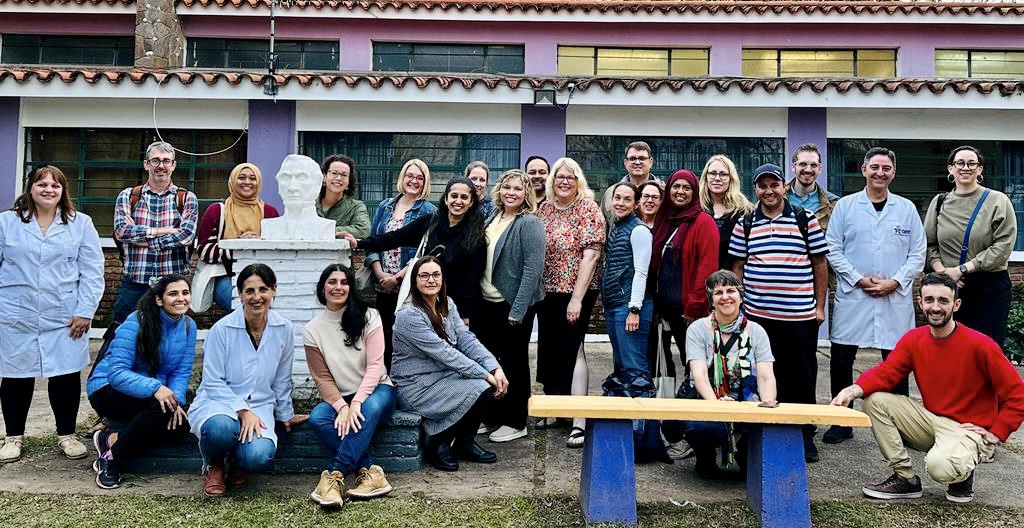

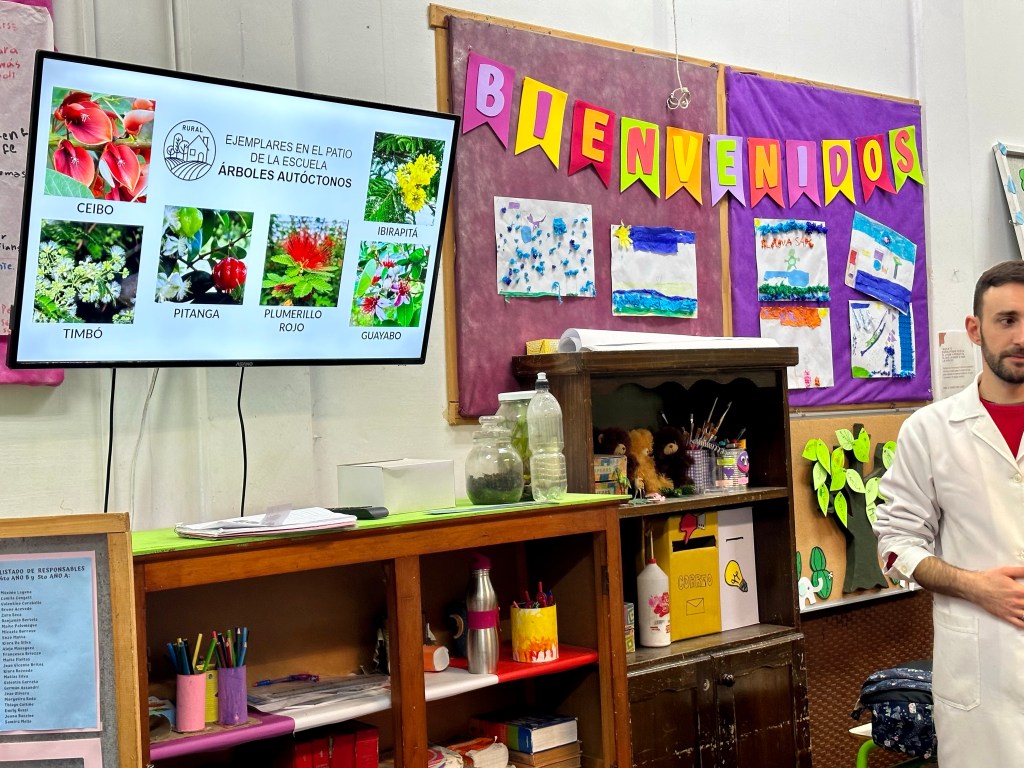
Sixth-grade student ambassadors divided us into 5-6 groups and guided us through classroom visits and projects. I appreciated the administration and the way they gave empowerment to their students. I was amazed to see kindergarteners presenting their spider project and first graders exploring the trees on campus. They confidently presented their projects, demonstrating how they can make a difference in their communities. We also participated in other projects in different grades, such as measuring the height of trees using creative tools and a little bit of math. I had never seen tree measurements done in such a simple yet innovative way.
Classrooms from Alfred Nobel




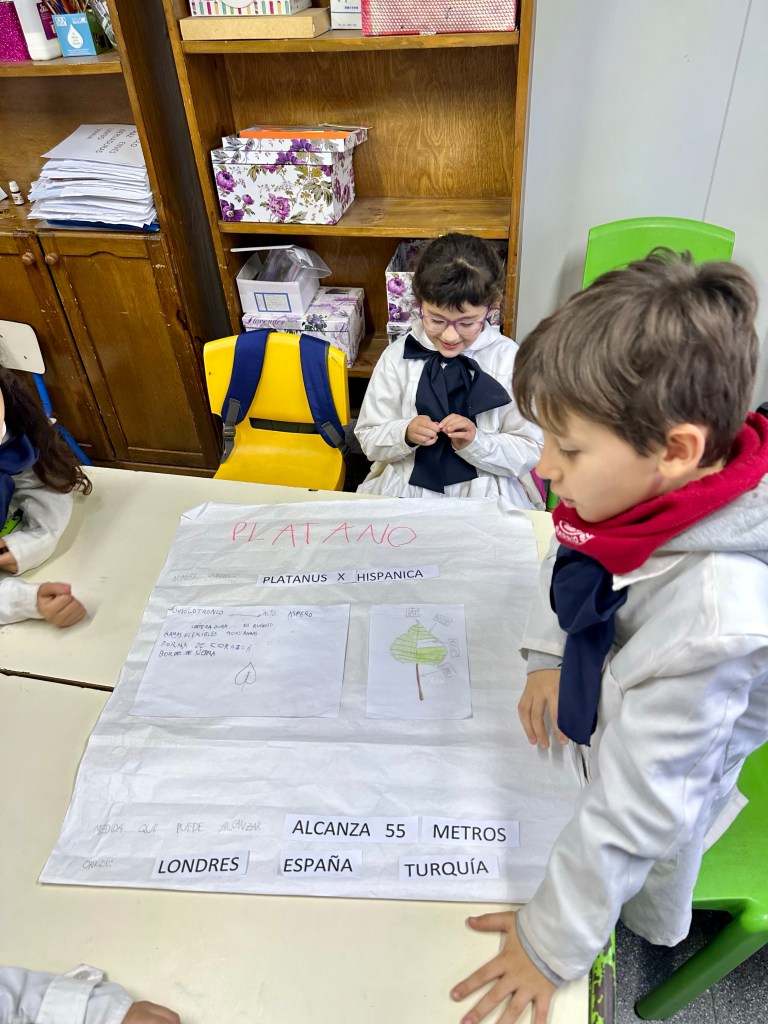
Among all the projects, one that stood out to me was with either the first or second graders who were exploring trees in their schoolyard. They not only identified different tree types but also learned about the climates in which they grow and where else in the world they can thrive in similar conditions. The groups created posters about their chosen trees, detailing their characteristics and the names of countries where these trees also grow. It was fascinating to see the names of many countries like Turkey, Portugal, Spain, indicating that these rural students in the remote area of the Uruguayan capital possessed more global competence than many students worldwide.

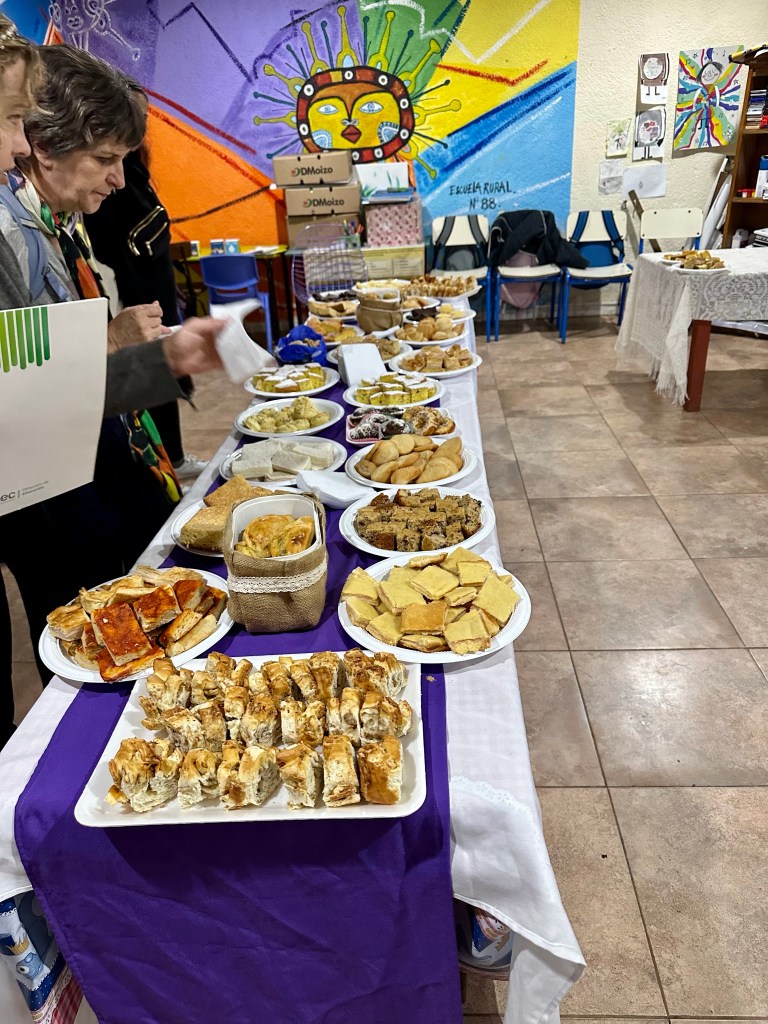
Students then took us to a community gathering place where they said we are going to have some refreshments. This was not a refreshment but rather a feast! The community prepared lots of home made pastries, sweets and goodies for us. Everything was fresh and delicious. It was a kind gesture from them. Students, teachers, administrators, and our group all enjoyed the treats together. Socializing and exchanging ideas with each other was truly rewarding.
By the way, the school was honored as the winner of the Nova Jr. category in the 2021 National Innovation Award, which recognizes youth initiatives in the country. Here is the press release highlighting their remarkable achievement. Congratulations to the dedicated teachers, students, and especially their visionary principal!
Eventually, Martina called us back to the bus. I hadn’t realized how much I had eaten at the school, but as soon as I sat on the bus, I fell asleep.
When we arrived at the hotel around 7 pm, we were reminded that our group who goes to Salto province would need to be down at the lobby no later than 10:50 pm so that we won’t be late for our bus at the terminal which was leaving at 11:30 pm. I quickly packed my luggage regardless of my exhaustion and got ready for my next adventure.
At the terminal, we presented our tickets to the bus driver’s assistant and had our luggage loaded onto the bus. I was amazed by how comfortable the bus was. The seats could almost fully recline, and it even had footrests. During the 6-hour drive, I think I was awake for only 15 minutes. The rest of the time, I slept as comfortably as if I were in my own bed. I wish the plane seats were that comfortable.
Anyway, I can’t wait to share my experiences in Salto in my next blog posts.

 Expeditionary Learning