Pura Vida!
Greetings from the land of pure life. Indeed, this expression sums up Costa Rica. It is beautiful, and in fact, it feels like it is a miniature version of heaven.
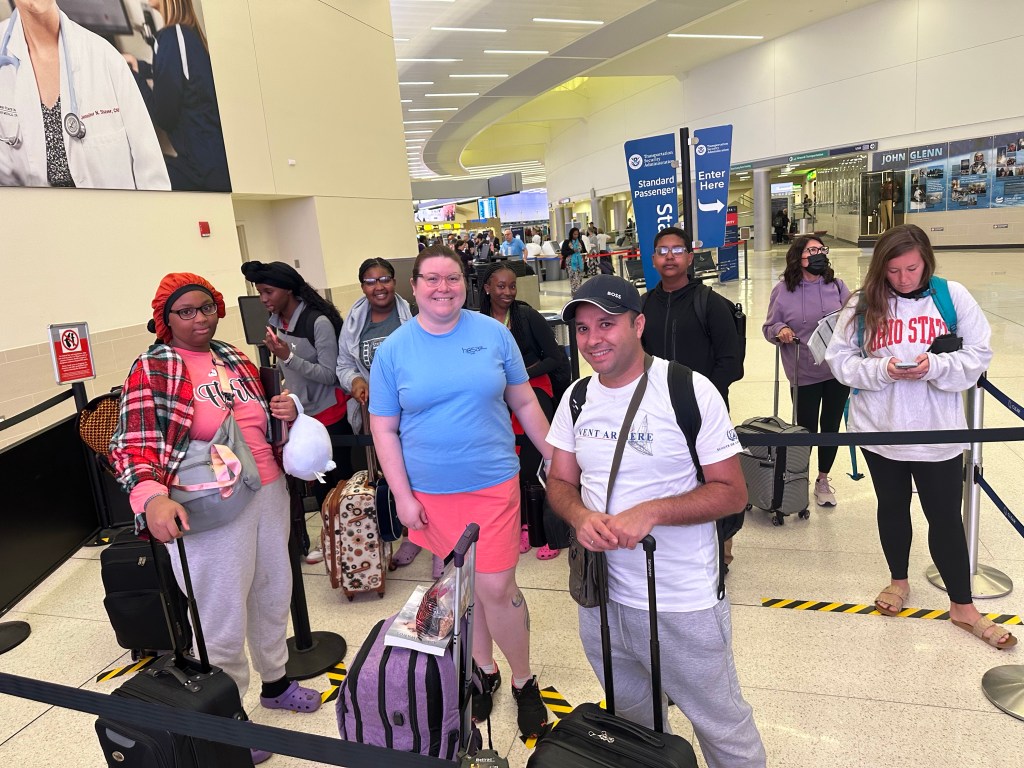
After our early flight from Columbus, OH, we had a layover in Atlanta. From there, we flew to the capital city of Costa Rica, San Jose. In order to reach our research camp, we had to take a domestic flight on a small jet plane that accommodated only 11 people. The whole plane was almost exclusively for us, with only three more tourists accompanying us.
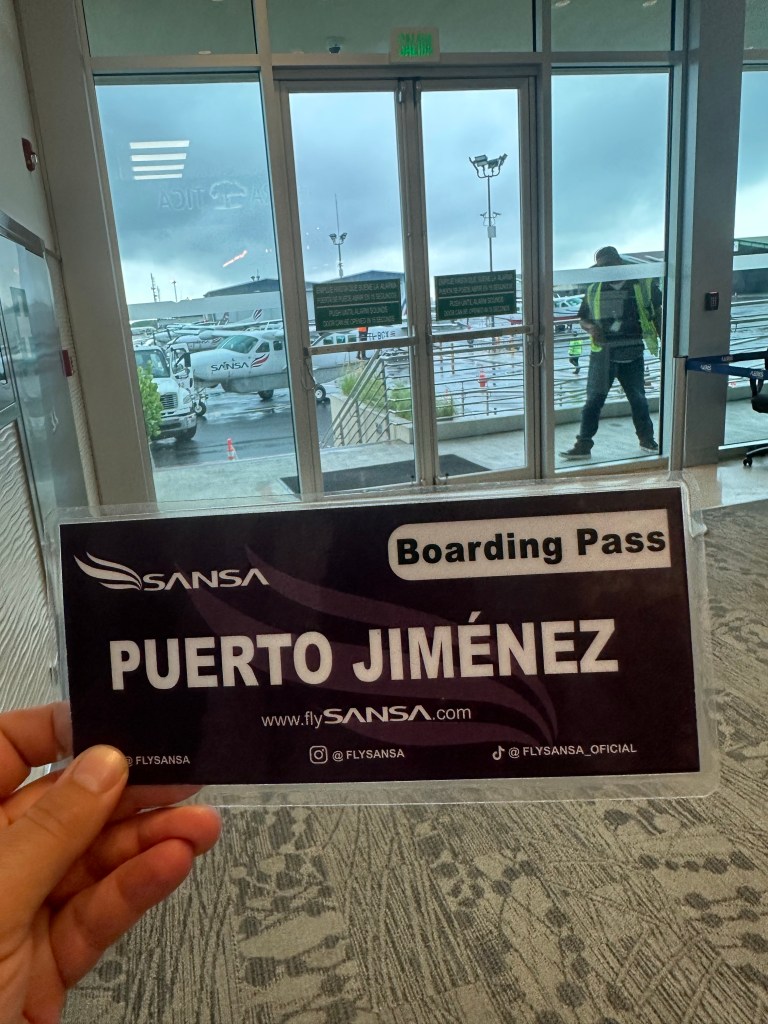
The domestic flight terminal was really small, located just outside of the international airport. You literally needed to exit the international terminal and walk about 5 minutes sideways to get there. It was a very small terminal where all the charter flights took you where you needed to go. The boarding passes for domestic flights were really cool. They were laminated cards that said “Sansa Airlines Boarding Pass” on the front, and the back featured either a Costa Rica map or pictures of Costa Rica’s landscapes and wildlife.
We boarded our small plane to go to Puerto Jimenez, which is closer to the airport where we needed to go. The flight took 50 minutes. Once we arrived, our Earthwatch team was waiting to take us to the camp.



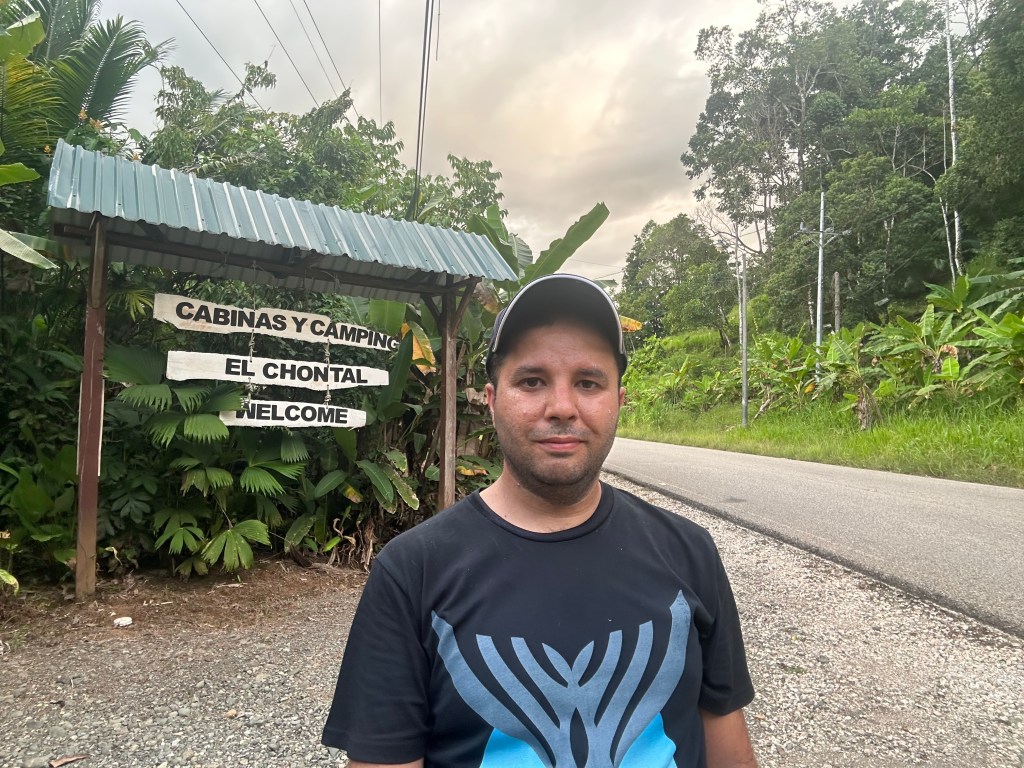
We loaded all our luggage into the van and headed to our research camp, El Chontal Ecolodge. It took about 25 minutes.
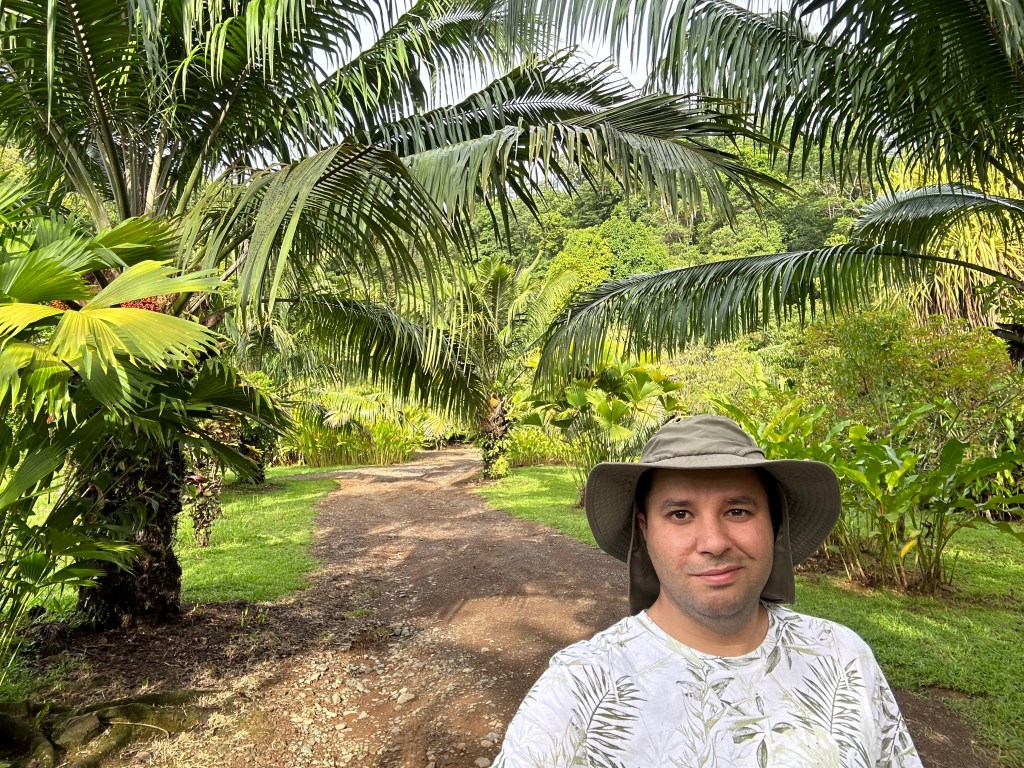
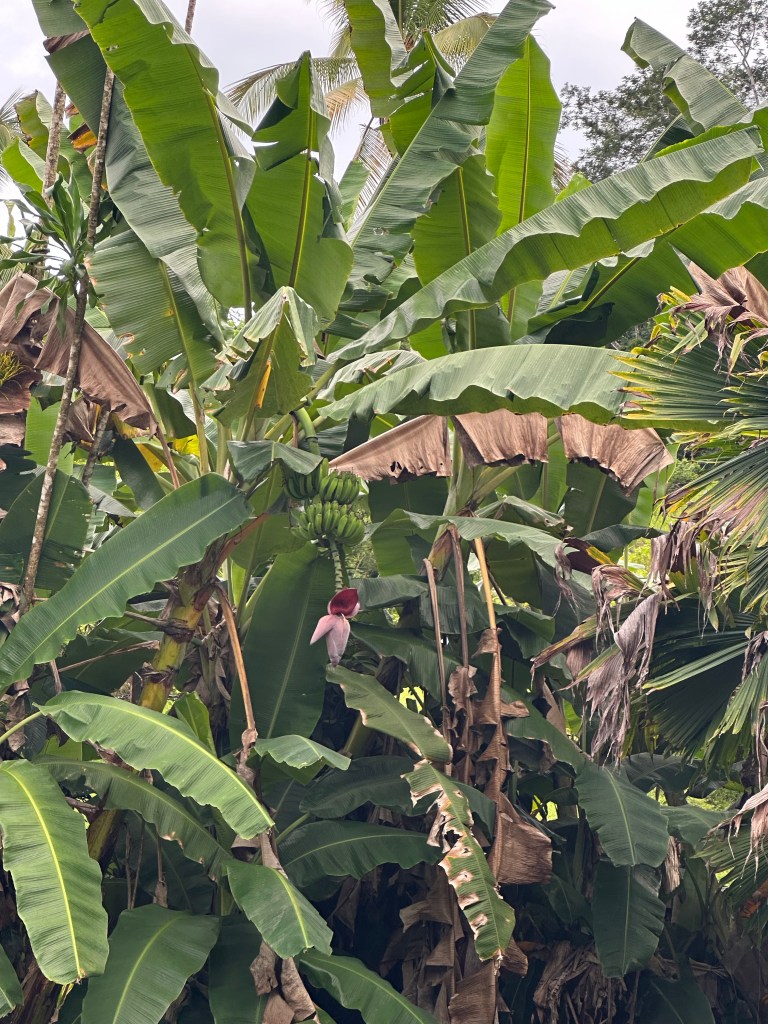
Finally, we arrived at our camp site. As the name indicates, it is an ecolodge, meaning everything is made in its natural state. The place we stayed in was made of wood, and the walls were half way up, with the other half netted to allow air to circulate. The bathroom literally had a pipe coming from outside, and you showered without hot water. When I heard that there was no hot water, I thought this was going to be tough! But I don’t blame anyone for not having hot water! There is no need to. The water is naturally 30-31 Celsius (86-88 degrees Fahrenheit), and since it is so hot and humid out there, you simply take a shower with the natural water temperature. It’s been great so far! We also have a ceiling fan that creates a little breeze in the room.




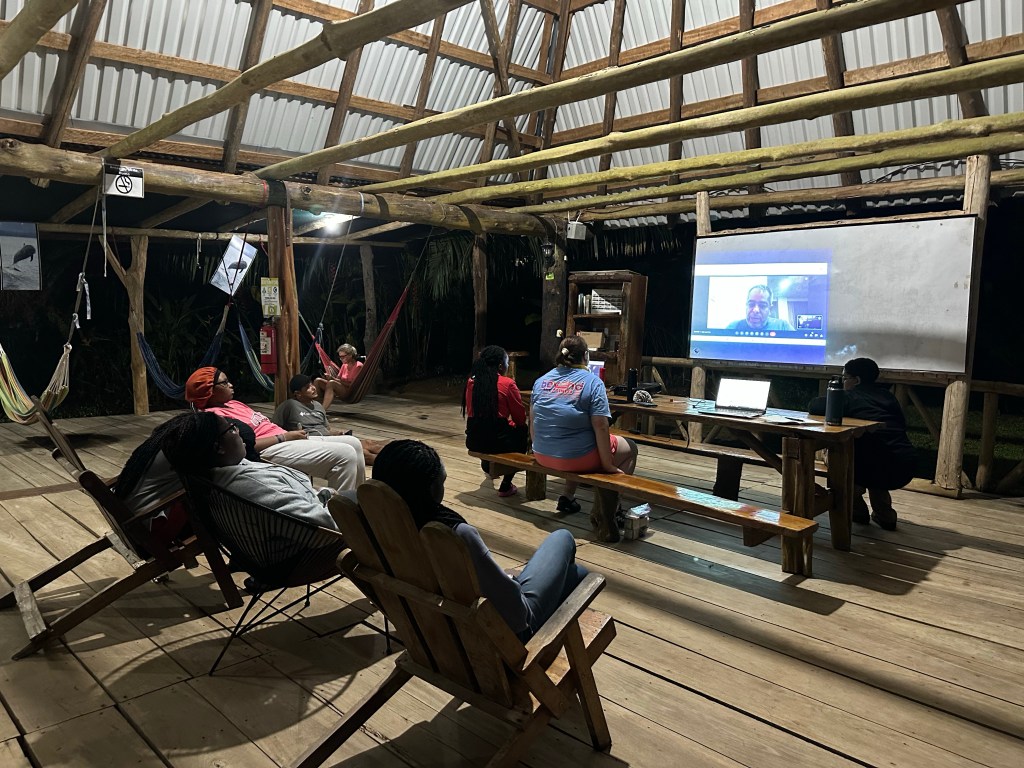
Anyway, after we settled down, we were called to the meeting area, which was an open place in the middle of the camp, for our safety training. It had a white board, chairs, tables and a bookshelf. The place really blended with nature.
Dr. Lenin Enrique Oviedo Correa is our principal investigator at this research center, where he has been studying marine mammals and predators over 25 years here in Golfo Dulce, Costa Rica. He explained to us the potential risks at the camp, on the boat, and in the rainforest, how to identify them, and how to prevent risks. It’s mandatory to know safety measures before engaging in any activities at our camp.
After enjoying a delicious homemade dinner, we all went to bed early to ensure we Had were ready early in the morning.
First Full Day in Golfo Dulce
Breakfast starts at 7:30 am. Most of us woke up around 6:30 am, but some of the kids had a hard time waking up. After reminding them that they would be hungry if they missed breakfast because they wouldn’t get anything until lunch, they immediately woke up and were ready to walk to breakfast.
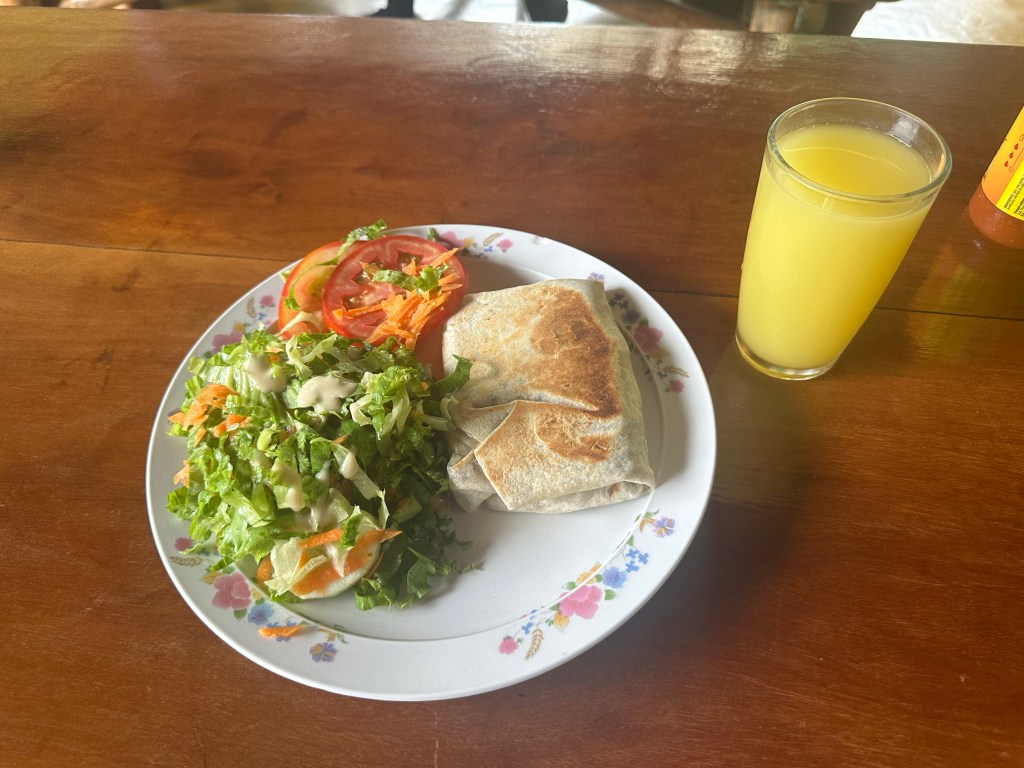
I didn’t mention the place where we eat our breakfast, lunch and dinner. Our host and researcher, David, who is also the owner of the land, has their house at the camp. We actually ate our meals on his house porch. The meals were prepared by his wife and mother. The food was incredibly delicious. Everything was made from scratch, fresh and organic. For every meal, we had freshly squeezed tropical fruit juices, which was one of the best experiences of my life. I had never tasted fruit juices that delicious in my life. Even common fruits that you can find in the grocery stores in the States like pineapple and mango, had a completely different and indescribable taste. They were full of flavor.


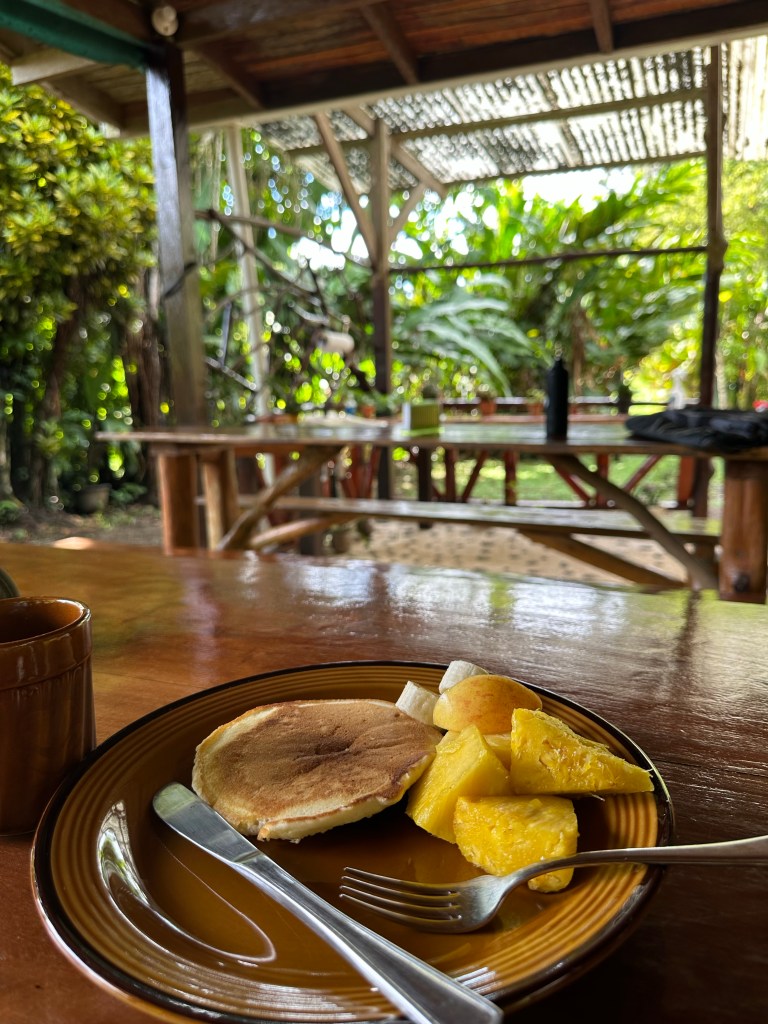
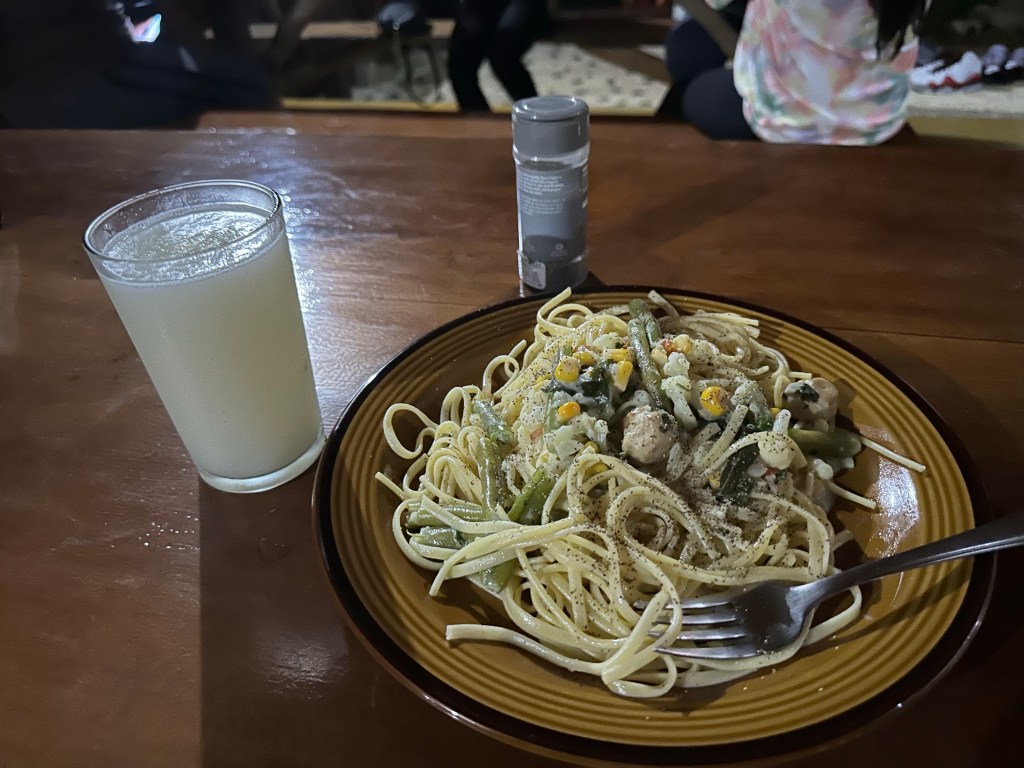

When I asked our host, David, why the fruits taste different here, he immediately laughed and gave an example to describe commercialized fruit farms. He explained that, for instance, pineapples take a whole year to ripen, and when they are fully ripe, they have their full flavor, and that’s when they are picked. However, in commercialized pineapple farms, the farmers would harvest pineapples three times a year, picking them up at early stages, and shipping them to different parts of the world. This is why you don’t get any flavor from the fruit you eat, he concluded. Additionally, I believe that since most commercial fruit farms are not organic, it also affects the flavors.
Speaking of David’s family, it’s more than just serving us food because we were there. It’s more than that. They prepared the food with love and showed their hospitality to their guests. You can truly feel it. Most of the places I have been professionally, this was not the case. In those places, you know that people are working to prepare food for you, and you get in line and take whatever at that moment. After 30 minutes or so, they just leave because that’s their clock and they have to move on. I’m not saying this bad, but I am trying to highlight the difference in perspectives. Here, you know that David and his family are not just hosting you because it’s their job, but they also embrace you as part of their family and treat you accordingly.
Our First Boat Ride for the Research Project
After enjoying our delicious breakfast, we headed down to the ocean, boarded our boat, and ventured deep into the gulf. The weather was rainy and windy, causing the gulf to be quite choppy. After about an hour, we had to return to the camp due to weather conditions not being suitable for research. Nonetheless, it was a lot of fun riding a boat out on the water. I must mention that during our journey, I spotted flying fish! These incredible creatures literally emerged from the water, using their “wings” to glide through the air before diving back into the water. It was really a remarkable sight to behold!
Discussion on Marine Mammal Research
In the afternoon, we had our first discussion on marine mammals in Golfo Dulce and the importance of studying them here.
We were told that there are three locations in the world with similar conditions to Golfo Dulce. Other two are in Brazil and Papua New Guinea. These tropical fjords provide optimal conditions for dolphins to raise their families. Everything they need, including temperature, abundant food, and protection from predators is available here. Because of these favorable conditions, Golfo Dulce is an ideal place to study dolphins. Among these three fjords, Golfo Dulce is the largest in size. I made a note in my journal, marked with double stars, stating “ we do science to inform conservation” which Dr. Lenin summarized as the purpose of his work. He specifically focuses on behavioral science to observe dolphins behaviors in the Golfo Dulce.

Researchers observe and interpret animal behaviors, making decisions based on their findings.. It was fascinating to learn how researchers even recognize individual animals in these waters based on their observations and behaviors. If they notice any unusual behavior, then they investigate the reason behind it. This is how much they know about each individual animal in Golfo Dulce.
We also discussed whales, especially humpback whales. Unfortunately, during our time in Costa Rica (May 15-23), we will not be able to see any whales. Humpback whales are migratory animals that travel from their feeding grounds in Antarctica during winter time (summer in the Southern Hemisphere) and migrate to warmer waters near the tropics to have babies. The Golfo Dulce region is a perfect place for whales to have their calves. Due to their migratory behavior, they arrive in this area in June and we will miss their epic journey while we are staying. However, we were told that they might arrive earlier this year due to the El Nino effect. The El Nino effect causes warmer temperatures, which may prompt the whales to migrate earlier. During the El Nino season, global temperatures rise, and the effects can have catastrophic consequences worldwide. So, there is a concern about what will happen this summer. I remember David mentioning that during the last El Nino season a couple years ago, there were many dead fish in the water due to unusually warm water temperatures.
We were also told that the major humpback whale casualties are caused by collisions with commercial ships. Since 2018, Golfo Dulce has been protected from commercial fishing, which provides relief for humpback whale calves.
Welcome to the Most Biologically Intense Place on Earth
This was the title National Geographic article about Costa Rica back then. The researchers discovered an average of 700 different plant species in just one square meter in Costa Rica. And that’s only plants! Imagine the number of species when including other creatures. Among these 700 species, 80 of them are endemic, meaning they are found only in Costa Rica and nowhere else in the world.
Stay tuned for more updates on our exciting adventures!

 Expeditionary Learning
One thought on “Costa Rica Adventures Begin ”